If you have looked at land for sale in Cameron, you have probably noticed that not all acreage means the same thing. One parcel may be a simple homesite with managed road access, while another may be a rugged recreational tract or a true working ranch. If you want to buy with confidence, it helps to understand how these properties differ and what details matter most before you make an offer. Let’s dive in.
Cameron Land Comes in Distinct Categories
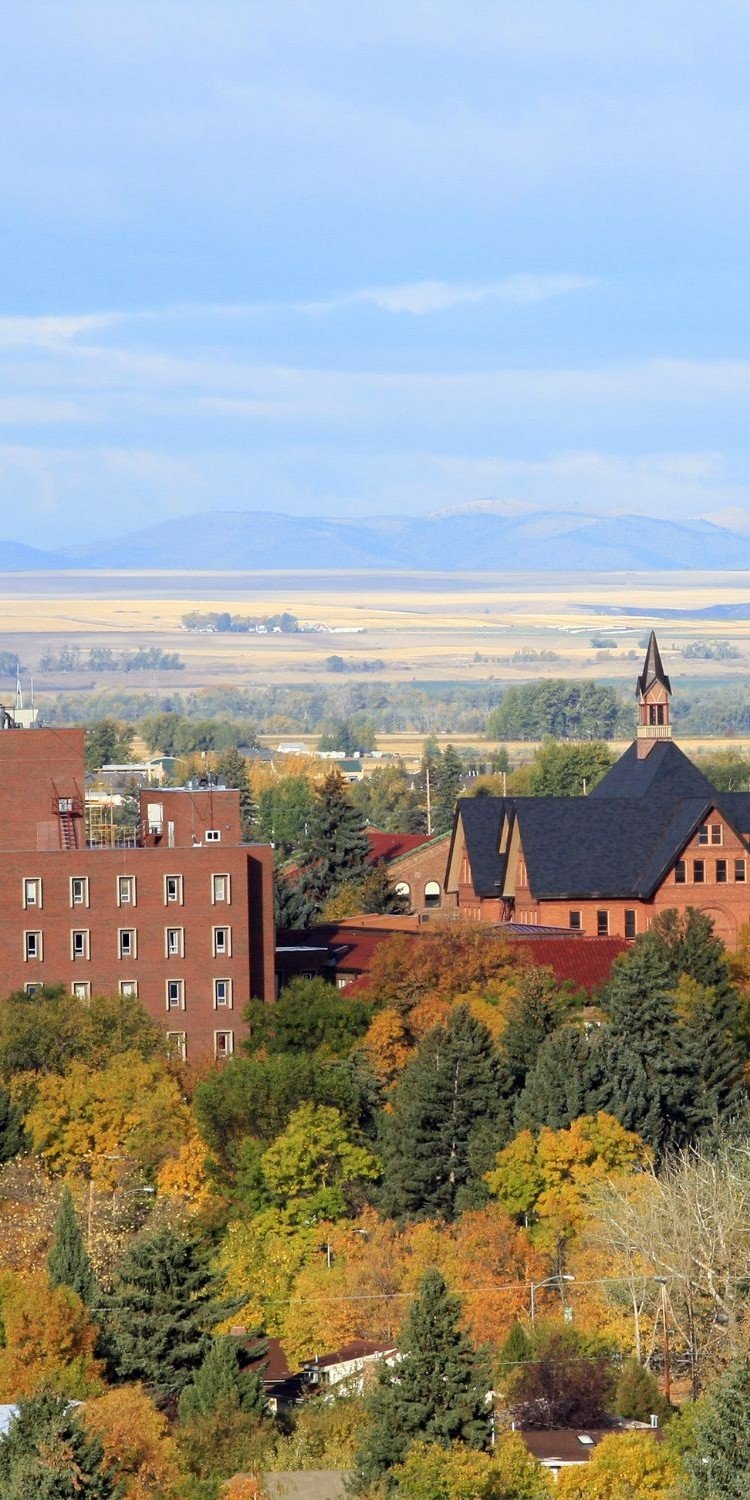
Cameron sits along the Madison Valley corridor south of Ennis on US 287, in a part of southwest Montana known for broad valleys, sagebrush, riparian areas, foothills, and mountain terrain. The area also benefits from strong outdoor appeal, with nearby fishing, boating, hiking, camping, and wildlife viewing helping shape demand for land.
Current listings show a wide range of parcel sizes, from less than 1 acre to more than 1,400 acres, with even larger multi-thousand-acre holdings appearing in the market. In practical terms, most Cameron buyers tend to encounter three common categories: ranch-community homesites, mid-size recreational parcels, and larger ranch holdings.
Ranch-Community Homesites
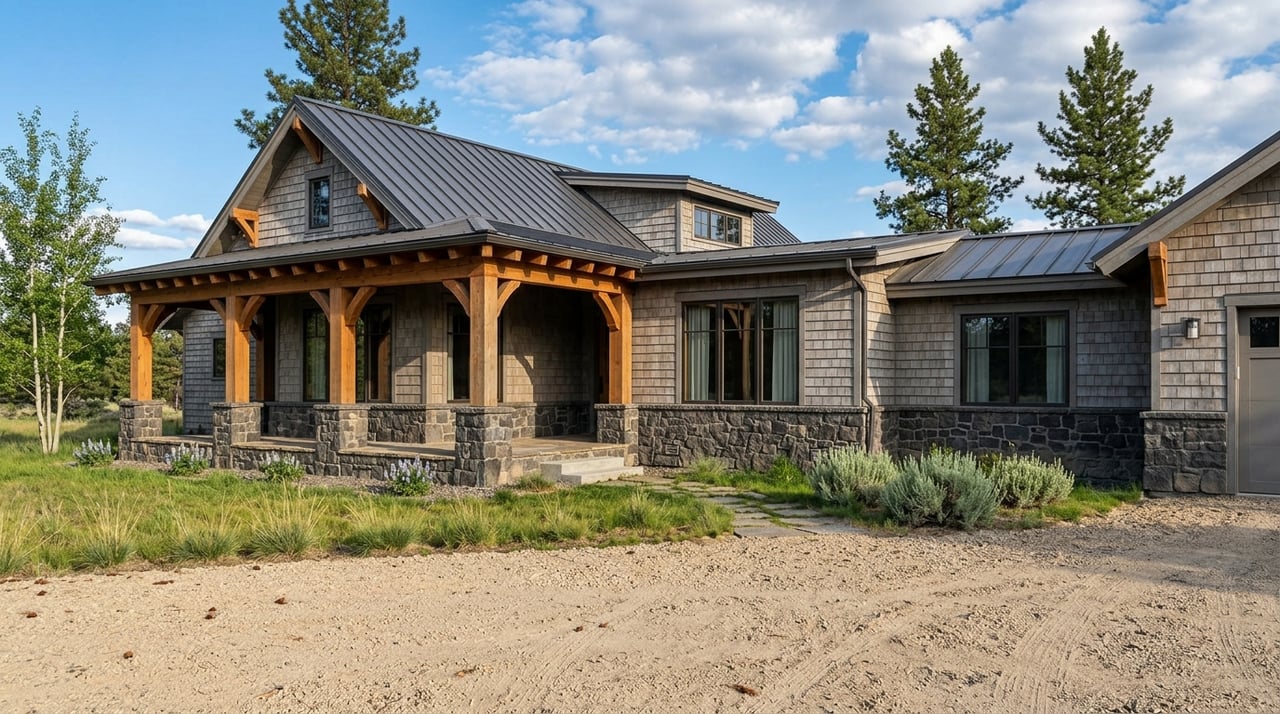
These parcels often fall in the 4 to 9 acre range and are designed for buyers who want space, views, and outdoor access without taking on a full-scale ranch operation. In current inventory, Sun West Ranch lots are a good example, with features such as level or gently sloping homesites, wooded building areas, open space, trails, and managed road maintenance.
For many buyers, this type of property offers a balance between privacy and convenience. You may give up some independence compared with a completely stand-alone parcel, but in return you may gain shared amenities, road care, and easier seasonal access.
Mid-Size Recreational Parcels
Another common Cameron product is the 10 to 25 acre recreational tract, with 20-acre parcels showing up often in the current market. These properties are usually geared toward buyers who want elbow room, mountain views, and a more private setting for seasonal or year-round use.
Some listings emphasize features like end-of-road privacy, nearby power, or no covenants. That mix can appeal if you want flexibility, but it also means you need to look closely at access, utility planning, and the practical cost of making the land work for your goals.
Larger Ranch Holdings
At the upper end, Cameron also includes larger ranch and mixed-use properties, with current offerings around 40 to 80 acres and beyond. Some listings extend into the hundreds or even thousands of acres, showing that this is not just a cabin-and-view market.
These larger properties may support both recreation and agricultural use. One current ranch example includes irrigated acres, rangeland, creek frontage, and ranch improvements, illustrating how some Cameron properties function as operating ranches rather than simply scenic acreage.
Terrain Changes the Ownership Experience
In Cameron, listing language about terrain is not just marketing. It often gives you an early clue about how easy a parcel may be to build on, access, and maintain over time.
A level building site may be more straightforward for driveway work and home construction. A sloping bench lot or ridge property may offer bigger views or more privacy, but it can also mean added site work, more complex design choices, and potentially higher improvement costs.
Common Terrain Terms to Watch
You will often see phrases such as:
- Level building site
- Sloping lot
- Wooded ridge
- Ridge-top views
- End-of-road parcel
- Bench setting
Each term points to a different use pattern. A wooded parcel may feel more secluded, while a more open parcel may offer easier building access and broader sightlines across the valley.
Access Matters More Than Many Buyers Expect
In a rural market like Cameron, access is one of the first things to verify. A parcel may be reached from US 287, a county road, a private gravel road, or a gated ranch entry, and each setup creates a different day-to-day ownership experience.
Some ranch-community listings note private road systems with winter plowing and summer maintenance. Other properties may offer more independence, but they can also place more responsibility on you for seasonal use, upkeep, and planning.
Questions to Ask About Access
Before moving forward, it is smart to ask:
- Is the access public, private, gated, or shared?
- Who maintains the road?
- Is there winter plowing?
- Is the driveway already in place or still needed?
- Are current maps being used to confirm legal access and boundaries?
These questions can help you avoid surprises, especially if you are relocating or buying from out of the area.
Recreation Is a Major Part of Value
Cameron land is often purchased for more than just a place to build. The surrounding Madison Valley lifestyle plays a major role in how buyers evaluate parcels, especially those looking for fishing, floating, trail use, camping, or wildlife viewing.
The Madison River is widely recognized as a premier wild trout fishery, and nearby public recreation sites support boating, camping, and other outdoor use. BLM’s Ruby Creek Recreation Area on the upper Madison River, about 20 miles south of Ennis off US 287, includes camping sites and a boat launch, which helps explain why so many Cameron listings highlight outdoor access.
Read “Access” Language Carefully
Recreation value is important, but the wording in a listing deserves careful review. A property described as riverfront or having river access may not offer the same rights as another parcel with deeded access or a clearly established route.
Montana’s stream access rules allow public use of rivers and streams up to the ordinary high-water mark, but they do not allow crossing posted private land or entering private land to reach the water. That is why it is important to confirm what access is deeded, shared, nearby, or simply advertised as a local feature.
Water Rights Can Be a Deciding Factor
For ranch and recreational parcels in Cameron, water is often one of the most important due diligence items. A parcel may look ideal for irrigation, horses, stock use, or domestic use, but appearance alone does not tell you whether the water rights support those uses.
According to Montana DNRC, a recorded water right is required for the majority of water uses in Montana, and new or expanded uses after June 30, 1973 generally require a permit or notice process. For buyers, that means wells, irrigation, stock water, and pond features should be verified with care.
What to Confirm About Water
When evaluating a parcel, ask for documentation on:
- Irrigation rights
- Stock water rights
- Domestic water rights
- Well information
- Whether rights are documented and transferable
This step is especially important if you are comparing a lifestyle parcel with a property that may also support grazing, hay production, or horse use.
Lifestyle Use Versus Working Land
Many Cameron buyers are not choosing between pure recreation and pure production. Instead, they are looking for a property that can serve both lifestyle and functional goals.
You might want mountain views, fishing access, and a private homesite, while also asking whether the land can support horses, grazing, or limited agricultural use. In Cameron, that blend is common, but not every parcel will support every use equally well.
Match the Parcel to Your Intended Use
It helps to decide early which of these matters most to you:
- Build-ready homesite potential
- Seasonal recreation
- Year-round access
- Horse use
- Grazing or hay ground
- Privacy and views
- Lower maintenance ownership
The clearer your priorities are, the easier it becomes to separate a good-looking listing from a truly good fit.
Wildfire and Site Planning Should Stay on Your Radar
In a rural setting, site planning is about more than where to place a house. Madison County’s Community Wildfire Protection Plan notes the importance of good access, fire-resistant construction and landscaping, adequate water supply, and safe operating areas during a fire event.
This matters even more on parcels with timber, brush, or steeper approaches. If you are considering a wooded or more remote property, wildfire planning should be part of the conversation early, not after closing.
How to Read Cameron Listings More Clearly
When you see a Cameron parcel online, the key is to translate the listing language into real ownership questions. “Level lot” may suggest easier building. “End-of-road privacy” may sound attractive, but it should also prompt questions about maintenance and winter use.
Likewise, “no covenants” may offer flexibility, while a managed ranch-community parcel may offer more support with roads and shared recreation. Neither option is automatically better. The right choice depends on how you plan to use the land and how hands-on you want ownership to be.
Why Local Guidance Helps
Cameron land can look simple at first glance, but the details often shape long-term satisfaction. Acreage, terrain, road access, water rights, and recreation claims all need to line up with how you actually want to live on or use the property.
That is where local market knowledge becomes valuable. If you want help comparing ranch-community homesites, recreational tracts, or larger ranch parcels in the Madison Valley, Jenny Rohrback offers boutique, high-touch guidance grounded in local experience and a practical understanding of rural property.
FAQs
What types of land are most common in Cameron, Montana?
- Current Cameron inventory commonly includes 4 to 9 acre ranch-community homesites, 10 to 25 acre recreational parcels, and larger ranch holdings ranging from 40 acres to several hundred acres or more.
What does recreational parcel usually mean in Cameron?
- In Cameron, a recreational parcel often refers to land bought for uses like fishing, camping, hiking, wildlife viewing, privacy, and mountain views, sometimes with potential for a cabin or home site depending on the parcel.
Why is road access so important for Cameron land buyers?
- Access affects daily use, winter travel, maintenance responsibilities, and build planning, so buyers should confirm whether roads are public, private, gated, county-served, or maintained by an association.
What should buyers verify about water rights in Cameron, Montana?
- Buyers should verify whether irrigation, stock water, domestic water, wells, or pond-related uses are supported by documented water rights and whether those rights are transferable.
Does river access on a Cameron listing always mean private access?
- No. A listing may reference riverfront location or nearby river access, but buyers should confirm whether access is deeded, shared, or simply close to public recreation routes.
Are larger Cameron parcels only for ranching?
- No. Some larger parcels may support ranching, grazing, or irrigation, while others may be used primarily for recreation, privacy, or a combination of lifestyle and working-land purposes.