Trying to decide between a home in town and a place with acreage outside Ennis? It is one of the biggest lifestyle choices you can make in the Madison Valley, and the right answer depends on how you want to live day to day. If you are weighing convenience against privacy, or simpler ownership against more land and independence, this guide will help you compare both paths with more confidence. Let’s dive in.
Ennis Living at a Glance
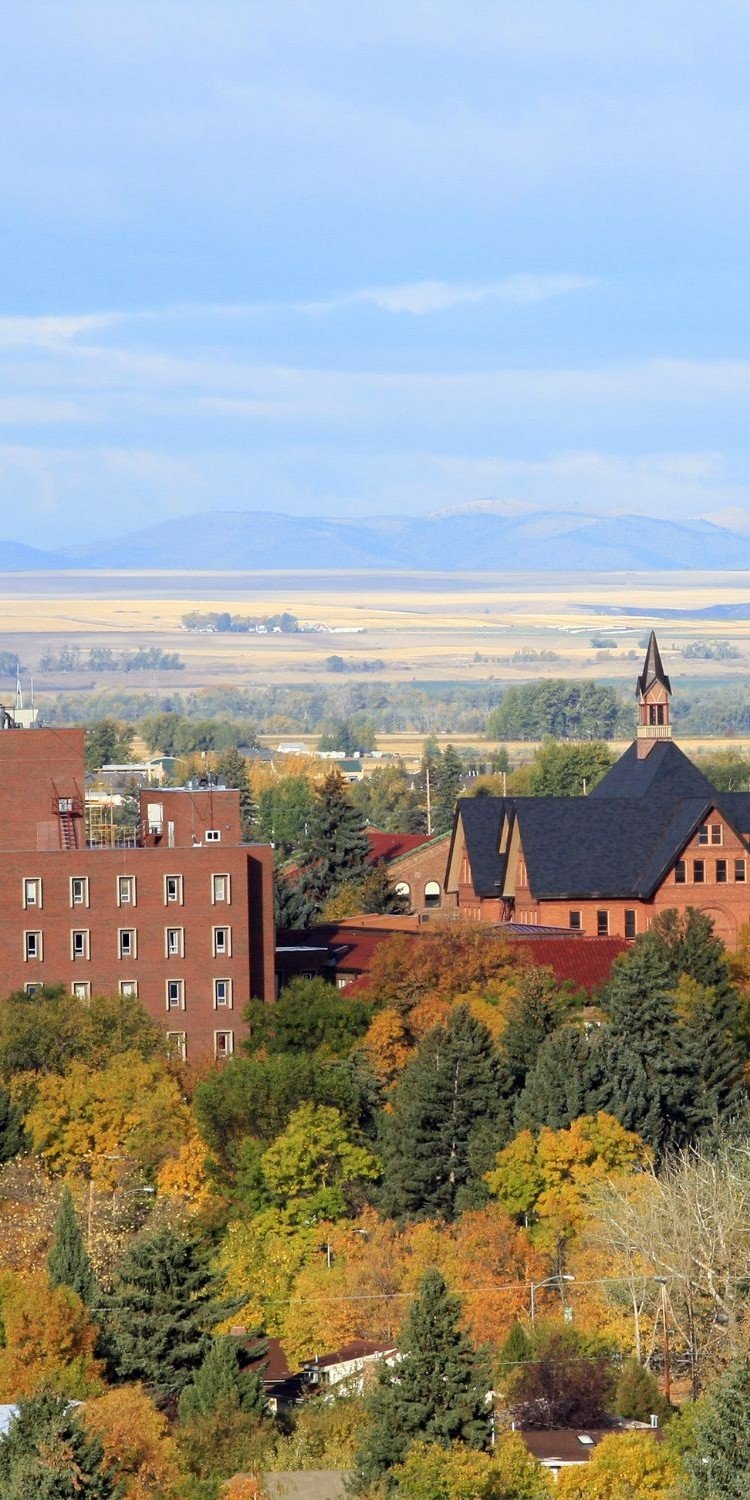
Ennis is a small town in the Madison Valley along US 287, with roughly 900 to 1,000-plus residents. The town is about 60 miles southwest of Bozeman and 70 miles northwest of West Yellowstone, and Madison County describes it as a local trade center.
That setting gives you two very different ways to live. You can choose an in-town property with easier access to services and utilities, or you can look just outside town for more space, privacy, and a more rural pace.
In-Town Ennis: What You Gain
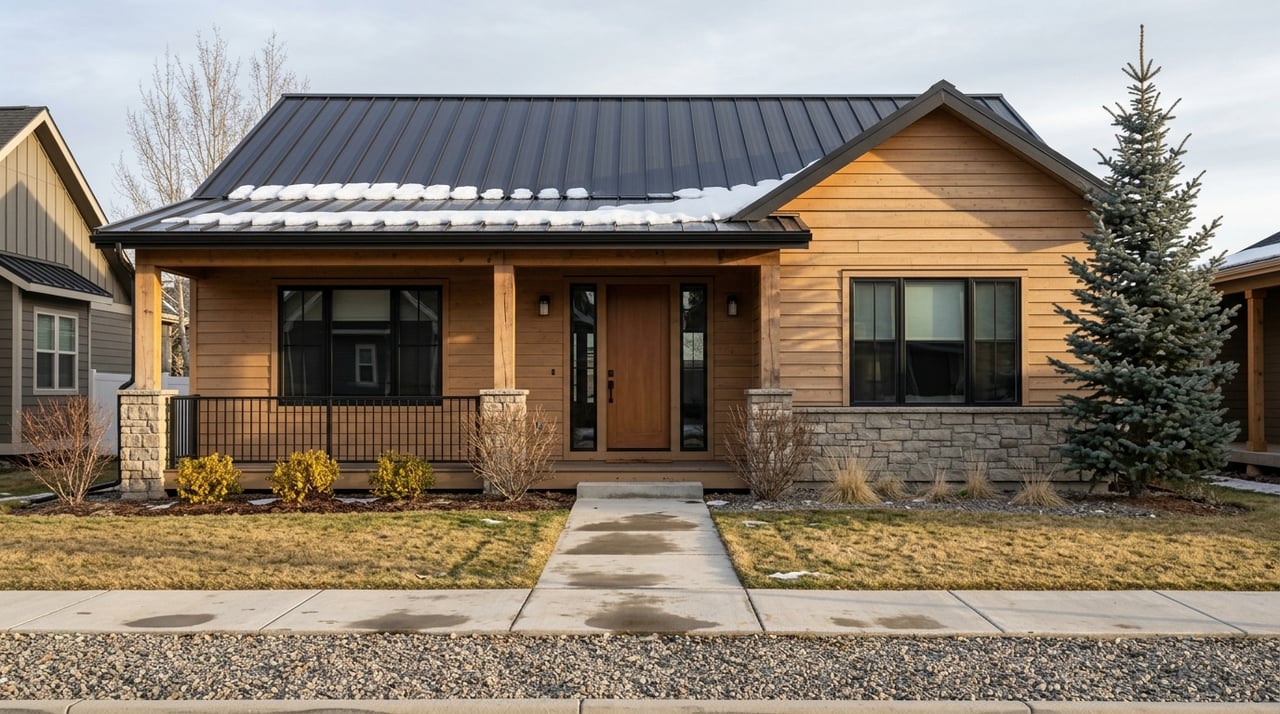
If you want a home base that feels simple and connected, in-town Ennis often has a lot to offer. Daily errands, town services, and local amenities are typically closer and easier to reach.
A major advantage is municipal water and sewer. The Town of Ennis provides both, with 2025-2026 base rates listed at $19.55 for water and $32.98 for sewer before usage charges. For many buyers, that means fewer moving parts than managing a well and septic system.
In-town living also puts you closer to town offices and public services. The town website directs residents to town hall, public works, zoning, and online payment services, which supports a more streamlined ownership experience.
You are also near key local resources. Ennis Schools lists its campus at 223 S. Charles Street, and Madison Valley Medical Center is in town with emergency care, clinic services, imaging, laboratory, rehabilitation, transitional care, behavioral health, pain management, and pharmacy services.
Country Properties: What You Gain
If space matters most, a country property may be the better fit. Properties outside Ennis often appeal to buyers who want acreage, wider views, privacy, and a more self-reliant rural lifestyle.
That extra freedom can be a real draw in the Madison Valley. You may find more room for outbuildings, more separation from neighbors, and a setting that feels more connected to the surrounding landscape.
At the same time, country living usually comes with more responsibility. Madison County’s rural guidance points to issues like easements, water rights, irrigation ditches, noxious weed control, private roads, annual road maintenance, and construction access.
The Real Difference: Daily Convenience vs Independence
The choice often comes down to what kind of tradeoff feels right for you. In-town Ennis is generally the simpler ownership experience, while country properties usually require more planning and more ongoing upkeep.
If you value being able to get to services quickly and want fewer infrastructure questions, town may feel easier. If you are comfortable managing more details in exchange for land and privacy, a rural property may be worth the extra effort.
Roads and Winter Access Matter More Than Mileage
When buyers compare town and country properties near Ennis, they often focus first on distance. In reality, the more important question is usually the last mile.
US 287 is the main corridor through downtown Ennis, and it is the route most people use for local travel through town. For broader regional access, Madison County notes that Bozeman Yellowstone International Airport is about 55 miles northeast of Ennis.
For country properties, you need to look closely at road maintenance. Madison County says county crews remove snow and provide ice control on county-maintained roads, with higher-traffic roads and school bus routes prioritized. Snow removal begins after 2 inches on paved roads and 6 inches on gravel roads.
That does not mean every road will be equally easy in winter. The county also notes that some public roads are not maintained at all, even by grading or snow plowing, and extreme weather can make even county roads impassable.
Private roads and bridges are the responsibility of the landowners who use them. The county’s rural living guide also notes that rural buyers may need 4WD and chains in winter conditions.
What to verify about access
- Is the road county-maintained, private, or seasonal?
- Who handles plowing, grading, and repairs?
- Can delivery vehicles, guests, and emergency responders reliably reach the property in winter?
- Is the route used by school buses, if that matters to your household?
Utilities and Services: Town Simplicity vs Rural Systems
Utilities are one of the clearest dividing lines between in-town and country properties. In town, the infrastructure is more centralized and more predictable.
Outside town, the service picture can change quickly from one property to the next. Madison County says sewer service is generally available only within town limits, so rural properties typically need an approved septic system or other treatment process.
When treated domestic water is not available, wells are the most common alternative. The county also warns that utility service may not operate at urban standards, repairs may take longer, telephone and cellular service can be inconsistent in mountain areas, and mail or parcel delivery can be a problem in rural areas.
That does not make rural ownership a bad choice. It simply means you should go in with clear expectations and ask detailed property-specific questions before you buy.
Septic, Wells, and Property Paperwork
If you are looking at acreage, septic and water details deserve close attention. Madison County requires a permit for all septic systems and requires installation by a county-licensed installer.
The county also requires either a nondegradation analysis for lots greater than 20 acres or DEQ subdivision approval with a site plan showing drainfield and well locations for lots less than 20 acres. Those details can affect your timeline, your budget, and how you plan future improvements.
For buyers, this is where due diligence becomes especially important. A beautiful parcel may still need answers about approved septic plans, well locations, and how the site is laid out for long-term use.
Floodplain Questions to Ask in Ennis
In-town buyers should not assume every homesite is straightforward. The Town of Ennis participates in FEMA’s Flood Insurance Study and notes that floodplain development permits may be required before construction or grading in regulated areas.
The town also notes that standard homeowners insurance typically does not cover flood damage. If a property is in or near a regulated floodplain, that is something you will want to understand early.
This matters both in town and near drainage areas outside town. If a property is close to the Madison River or another drainage area, it is smart to ask direct questions about floodplain status before moving forward.
Country Property Questions Worth Asking
Not all acreage properties work the same way. One parcel may be simple and easy to manage, while another may involve private access, irrigation features, utility limits, or more complicated land-use factors.
Before you commit, ask questions that help you understand both ownership costs and daily life. A little extra homework upfront can save you from surprises later.
Key questions for Ennis-area acreage
- Is the property on town water and sewer, or will it need a well and septic system?
- If septic is needed, has the permit been issued?
- Is there an approved drainfield and well location plan?
- Are there easements, irrigation ditches, cattleguards, or water-right issues affecting the land?
- How dependable are cellular service, mail delivery, and winter access on this parcel?
- Will road conditions affect construction access, contractors, or deliveries?
How to Choose the Better Fit for You
If you picture a lower-maintenance lifestyle with easier access to local services, in-town Ennis may be the better match. It often works well for buyers who want convenience, simpler utility setup, and fewer rural infrastructure variables.
If you picture more elbow room, privacy, and a property that feels more immersed in the landscape, country living may be the better fit. It can be a great option if you are comfortable with added due diligence and ongoing maintenance responsibilities.
Neither option is automatically better. The best choice is the one that matches how you want to spend your time, what level of property management feels comfortable, and which tradeoffs you are happy to make.
If you are comparing homes in town to acreage outside Ennis, working with a local expert can make the decision much clearer. Jenny Rohrback offers practical, high-touch guidance for buyers navigating Ennis, the Madison Valley, and the seasonal realities that come with rural Montana property.
FAQs
What is the main difference between in-town Ennis and country properties near Ennis?
- In-town Ennis generally offers quicker access to services, municipal water and sewer, and a simpler ownership experience, while country properties usually offer more acreage, privacy, and a more self-reliant rural lifestyle.
What should buyers ask about winter access for country properties near Ennis?
- You should ask whether the road is county-maintained, private, or seasonal, who is responsible for snow removal and repairs, and how reliably the property can be reached during winter weather.
Do rural properties outside Ennis usually have town water and sewer?
- Madison County says sewer service is generally available only within town limits, so rural properties typically need an approved septic system or other treatment process, and wells are the most common alternative when treated domestic water is not available.
What septic questions matter for acreage in Madison County?
- You should confirm whether a septic permit has been issued, whether installation will be handled by a county-licensed installer, and whether there is an approved plan showing drainfield and well locations when required.
Are floodplain issues important for homes in Ennis, Montana?
- Yes. The Town of Ennis notes that floodplain development permits may be required in regulated areas and that standard homeowners insurance typically does not cover flood damage.
Is in-town Ennis better for buyers who want easier day-to-day living?
- For many buyers, yes. In-town properties often provide a more convenient setup because of municipal utilities, closer access to services, and fewer rural maintenance variables.