Looking for a second home that feels like a true getaway, not just a different address? Ennis and the Madison Valley appeal to buyers who want mountain views, river access, and a slower pace, but buying here comes with practical questions about roads, utilities, taxes, and rental rules. If you are considering a weekend base, seasonal retreat, or long-term lifestyle property, this guide will help you focus on what matters most before you buy. Let’s dive in.
Why Ennis Appeals to Second-Home Buyers
Ennis works well as a second-home base because it offers both daily essentials and access to the outdoor lifestyle that draws people to southwest Montana. The local chamber notes that the town supports residents and visitors with groceries, gas, auto repair, a library, restaurants, lodging, and other basic services. That makes it easier to use your property regularly instead of treating it like a hard-to-reach cabin.
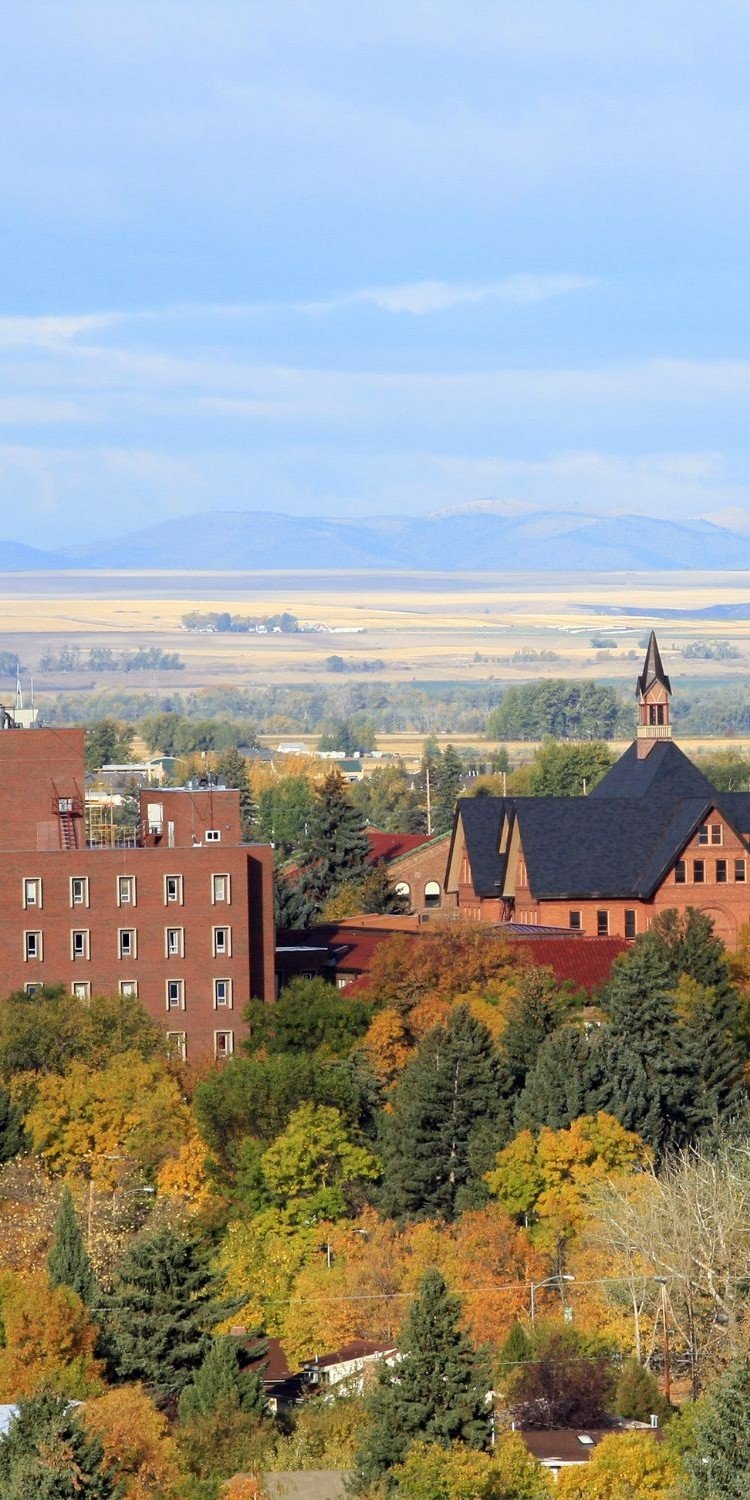
The setting is a big part of the appeal. Ennis is surrounded by the Madison, Gravelly, and Tobacco Root ranges, and it offers access to the Madison River and its well-known fishing and recreation. Madison County also points to ranching, farming, construction, tourism, and recreation as key parts of the local economy, which helps explain why this area feels like a lifestyle destination as much as a housing market.
Travel is also manageable for many second-home owners. From Bozeman, the drive is about 53 miles and roughly 1 hour 3 minutes in typical traffic, and many out-of-state buyers use Bozeman Yellowstone International Airport as their gateway to the region. For many buyers, that balance of access and rural character is exactly the point.
Understand the Four-Season Reality
A second home in Ennis is not a mild-weather retreat. NOAA climate normals for the Ennis station show an annual mean temperature of 42.7°F and about 44.7 inches of snowfall each year. January average highs and lows are 34.0°F and 15.1°F, while July average highs and lows are 82.8°F and 45.5°F.
That matters because ownership here is tied to weather in a real way. Winter trips, shoulder-season use, and even showing schedules can all depend on road and driveway conditions. A home that feels simple to reach in July may require much more planning in January.
Montana’s Department of Transportation says winter road reporting runs from November through April, and conditions can change quickly. The department also notes that some roads in Montana are seasonally closed because of elevation and snow. If you plan to use your property year-round, access should be part of your buying decision from day one.
Compare In-Town and Rural Properties
One of the biggest decisions for second-home buyers is whether you want in-town convenience or a more rural setting. Madison County’s housing action plan says incorporated towns are typically made up of single-family homes on quarter- to half-acre lots served by centralized water and sewer. That can mean simpler maintenance and fewer moving parts.
The same plan says the rural majority of residents live in larger-lot subdivisions or ranch-type homesteads served by private wells and septic systems. If privacy, elbow room, or a more open setting are high priorities, rural property may be the better fit. You just need to go into the purchase knowing that more land often means more infrastructure responsibility.
For many buyers, the search naturally falls into three categories:
- In-town homes with easier access to services and municipal utilities
- Rural acreage with more privacy and larger lots
- River or recreation-oriented properties with strong lifestyle appeal
None of these options is automatically better. The right fit depends on how often you will use the home, what level of maintenance you can manage from a distance, and whether you want the property for personal use only or also as a rental.
Know the Utility and Infrastructure Questions
In this market, the house itself is only part of the decision. Infrastructure matters just as much, especially if you are buying from out of state and will not be on site every week. Before you fall in love with a view, make sure you understand how the property functions.
In Ennis, the town posts water and sewer utility accounts and shows a 2025-2026 base rate of $52.53 before usage charges. In-town properties connected to public systems may offer a simpler ownership experience for some second-home buyers. That can be especially appealing if you want a more lock-and-leave setup.
Rural homes often come with different considerations. Madison County requires permits for all septic and wastewater systems, and the county housing plan says only four communities, including Ennis, operate public water and sewer. In most rural locations, you should expect private wells and septic systems, which means maintenance, repair, and replacement planning should be part of your budget.
Road access matters too. Madison County maintains about 1,200 miles of county roads, but not every property is equally straightforward to reach. If a home sits on a long driveway, a private road, or an exposed site, it is wise to evaluate access with the same care you give to the floor plan or the view.
Budget Beyond the Purchase Price
Second-home buyers often focus first on price, but ongoing costs can shape the ownership experience just as much. Madison County’s housing action plan reports a median home price of $428,167. The same plan notes affordability pressure across the county, which is one reason careful budgeting matters early.
In Ennis and the Madison Valley, your true cost of ownership may include more than mortgage and insurance. Depending on the property, you may also need to plan for well and septic upkeep, road or driveway maintenance, snow removal, utility costs, and wildfire-related property preparation. Rural ownership can be rewarding, but it usually works best when you plan for the full picture.
Property taxes also deserve close attention. Montana’s Department of Revenue says homesteads and qualifying long-term rentals may receive reduced tax treatment when occupancy rules are met, while second homes and short-term rentals on certain agricultural or forest parcels can be taxed differently. If you are comparing an in-town home with a ranch parcel or larger tract, tax classification should be reviewed early rather than after you are under contract.
Think Carefully About Rental Potential
Many second-home buyers ask whether they can offset costs with short-term rental income. In this area, rental demand is tied closely to recreation and visitor travel. Madison County’s housing action plan says tourism and food and accommodation were among the top employment sectors, and food and accommodation provided more than 40% of county employment opportunities in 2023.
That supports interest in vacation rentals, but it does not mean every property should be evaluated as a year-round income machine. Ennis is better understood as a recreation-driven market with seasonal demand patterns. If rental income is part of your plan, use a conservative approach.
Rules matter here as well. Montana says vacation rentals and similar lodging accommodations are subject to the state’s 8% lodging facility sales and use tax, and operators required to collect and remit the tax must apply for a seller’s permit. The state also notes that online platforms are required to collect and report taxes on facilitated sales, while direct bookings still leave the owner responsible for the tax.
Inside the Town of Ennis, short-term rentals must obtain a town business license and submit an annual inspection checklist. The current application lists a $150 STR fee and requires proof of applicable state and county inspections, licensing, and tax registration. The checklist also calls for a local emergency contact and visible address signage, which is a good reminder that a rental property needs a local operating plan.
Outside town limits, Montana public accommodation rules still apply, and Madison County says owners should contact the county sanitarian to begin the licensing process. If you hope to rent out a property, this should be a due-diligence conversation before closing, not after.
Factor in Wildfire and Distance Management
If your second home will sit on rural land or at the edge of open country, wildfire risk should be part of your evaluation. Madison County describes the wildland-urban interface as areas where homes are near or among fire-prone lands. The county notes that vegetation, structure spacing, weather, topography, and road construction all affect risk.
For a second-home owner, that means asking practical questions. Is there defensible space around the house? How easy is the driveway for service access or emergency response? Are your insurance assumptions realistic for the property type and setting?
Distance management is part of this too. A beautiful rural property may be exactly what you want, but it usually requires a little more planning than an in-town home. The more remote the setting, the more important it is to understand maintenance systems, local contacts, and seasonal access.
Use a Smart Search Process
If you are buying from Bozeman or from out of state, a structured search process can save time and prevent expensive surprises. Start by narrowing your search into clear categories based on how you plan to use the home. In this market, that usually means sorting properties into in-town convenience, rural acreage, or river and recreation use.
Then verify the basics before your next trip:
- Is the property inside town limits or in the county?
- Are water and sewer municipal or private?
- Is the road public or private?
- Is the property for personal use only, or do you want short-term rental flexibility?
- What seasonal access issues could affect winter or shoulder-season use?
This kind of front-end work helps you compare properties more clearly. It also keeps you focused on the practical side of ownership, which is often what separates a great second-home purchase from a frustrating one.
Buying Here Is a Lifestyle Choice
Ennis and the Madison Valley offer something many second-home buyers want but struggle to find: a place that feels genuinely connected to land, water, and open space, while still providing the essentials you need for regular use. At the same time, this is a market where roads, utilities, tax classification, and rental rules can shape your ownership experience just as much as the mountain views.
The buyers who tend to feel best about their purchase are the ones who approach it as both a lifestyle decision and an infrastructure decision. If you want help sorting through in-town homes, acreage properties, or recreation-focused opportunities in the Madison Valley, connect with Jenny Rohrback for thoughtful, local guidance tailored to how you actually plan to use your second home.
FAQs
What makes Ennis a good place for a second home?
- Ennis offers basic services like groceries, gas, dining, lodging, and a library, while also providing access to mountain scenery, the Madison River, and a strong recreation lifestyle.
What should second-home buyers know about winter in Ennis?
- Ennis is a true four-season market with about 44.7 inches of annual snowfall, so winter road conditions, driveway access, and travel planning are important parts of ownership.
What is the difference between in-town and rural properties in Madison County?
- In-town homes are more likely to have centralized water and sewer on smaller lots, while rural properties often have larger lots or ranch-style settings with private wells and septic systems.
Can you use a second home in Ennis as a short-term rental?
- Possibly, but you need to review state tax rules, local licensing requirements, and whether the property is inside the Town of Ennis or in the county before you buy.
What utility issues matter most for rural second homes near Ennis?
- Rural buyers should verify whether the home uses a private well and septic system, how road access works, and what maintenance responsibilities come with the site.
Why does tax classification matter for second-home buyers in Madison Valley?
- Montana property taxes can vary based on how the property is used, so the difference between a second home, a long-term rental, or certain agricultural or forest parcels can affect your ownership costs.