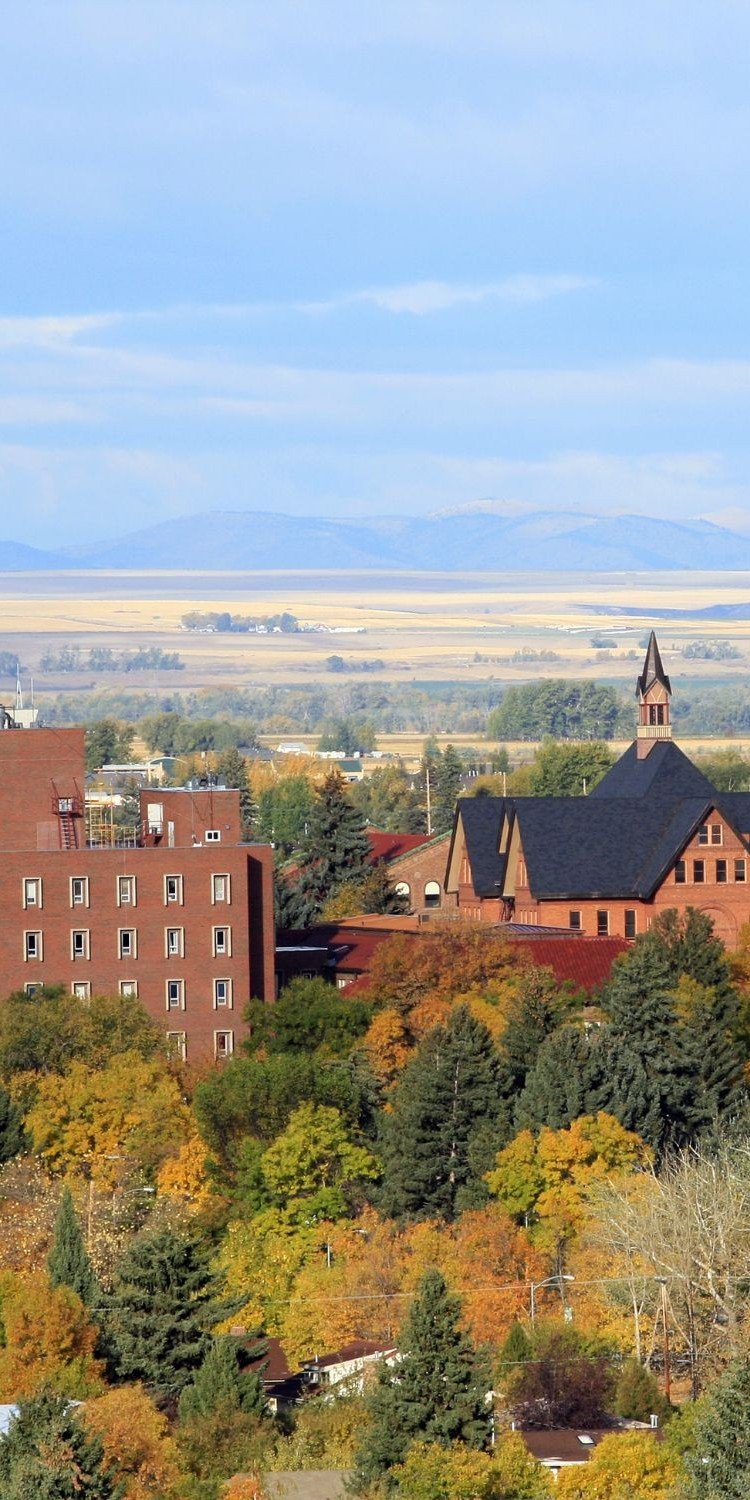
The Madison Valley Community Center doesn't have a building. It doesn't, strictly speaking, have land either. The five acres carved out behind the softball fields and bus barn on Ennis School District property are still moving through a minor subdivision process, the kind of paperwork that rarely makes anyone's morning more interesting. But at the Madison County Commission's meeting on March 24, 2026, commissioners spent part of their session discussing something that jumps well ahead of a subdivision plat: a covenant that would restrict the parcel to community center use permanently, whether the project that's supposed to occupy it ever gets fully built or not.
That detail is easy to miss if the phrase "community center" has only reached you secondhand, over the years, at the grocery store or from a neighbor. What began as a long-running idea now has a specific address and funding source, while commissioners are discussing how the parcel's future use would be protected.
A Site Chosen by Elimination, Not Preference
Board president Lindsey Degroot told the Madisonian in a Q&A published February 4, 2026, that the nonprofit's board spent months weighing options that included vacant land, existing buildings, and the golf course, a site that had come up in earlier community conversations. The school district parcel won out for reasons that have nothing to do with sentiment. It sits close to town, it's accessible, and it could be annexed into the Town of Ennis, which means the project taps into municipal water and sewer instead of building the private well and septic systems that most rural Madison County land requires.
The school district isn't donating the ground. Degroot was direct about that: the community center would purchase the parcel at fair market value, and the district is currently going through the minor subdivision process required to legally partition five acres out of its larger property before any sale can close. In exchange, the district gets something it doesn't have room for now, an auditorium-style space usable for graduation, prom, performances, and other events that currently have nowhere big enough to happen.
One Donated House Started All of This
The funding didn't begin with a grant application or a bond measure. It began with a house. The Ennis Lions Club received a donated home from the estate of Don and Martha Scudder, with the understanding that the proceeds would help seed a future community center. That gift became the financial starting point for a project the board now estimates, in early figures shared this year, could run in the $5 to $6 million range, a number Degroot was careful to call preliminary since final costs haven't been determined.
County-directed federal grant dollars have since been layered on top of the Scudder gift, with Commissioner Bill Todd named as a consistent supporter as the project has taken shape. The board's stated goal is to fund construction through a mix of grants and private donations, and to do it without raising local taxes.
County Funding and the Proposed Covenant
The March 24 commission minutes lay out something the earlier Q&A didn't fully spell out: the county intends to use Local Assistance and Tribal Consistency Fund dollars, a federal pass-through source, to assist the project, but has been explicit that "the county will not have long term involvement in the project." In the same meeting, commissioners discussed the possible covenant restricting the subdivided school parcel to community center use only, and reviewed the Montana State University needs assessment that's been cited as the project's evidentiary backbone.
The minutes leave a few practical questions open, so here is the project's status as reflected in the latest public meetings.
Project at a glance, as of the most recent public meetings:
| Item | Status |
|---|---|
| Site | Five-acre parcel on Ennis School District land, near the softball fields and bus barn |
| Land status | Subdivision in process; not yet purchased; would be bought at fair market value |
| Seed funding | Donated home from the Don and Martha Scudder estate, held by the Ennis Lions Club |
| Additional funding | County-directed federal grant dollars, including LATCF funds |
| Estimated cost | $5 to $6 million (preliminary, per February 2026 board Q&A) |
| Tax impact | Not intended to raise local taxes |
| Covenant | Discussed by county commissioners March 24, 2026; not yet adopted |
| County's role | Financial assist only; no stated long-term involvement |
What Actually Changes If This Gets Built
Degroot pointed to three practical uses beyond the ribbon-cutting version of the story. The building is being designed to double as a community emergency shelter during wildfires or severe weather, something the Madison Valley currently lacks, with the capacity to serve as a reunification point for families and a coordination space for emergency responders during a crisis. It would give the school district an auditorium it doesn't currently have. And it would let Ennis host meetings, trainings, and conferences that right now send that business elsewhere, keeping hotel stays, restaurant tabs, and local shopping inside the valley instead of exporting them to Bozeman or Butte.
None of that requires anyone to attend a listening session or read a commission agenda to benefit from it. But it does explain why a covenant matters enough to discuss before the land has even changed hands. A shelter, an auditorium, and a meeting space are only useful if the ground under them stays committed to that purpose.
What's Still Unsettled
The subdivision hadn't closed as of the most recent minutes available. The covenant language was discussed, not adopted. The $5 to $6 million estimate is explicitly preliminary, and no construction timeline has been published. What's changed since 2021, when versions of this conversation first circulated in town, is that the project now has a named parcel, a named seed gift, and a named public funding stream attached to it, along with the first formal discussion of how to protect that combination once the money starts moving.
That's an unusual sequence for a small town: restricting the use of land before anyone's broken ground on it. It's also, on the evidence so far, a deliberate one.
Madison County posts commission agendas and minutes for every regular meeting, and the community center's progress so far has moved through that same public channel alongside the Madisonian's coverage. If you want to watch the covenant language or the subdivision paperwork actually move, those are the two places to check. Jenny Rohrback keeps an eye on projects like this because they shape the valley in ways a listing sheet never quite captures.