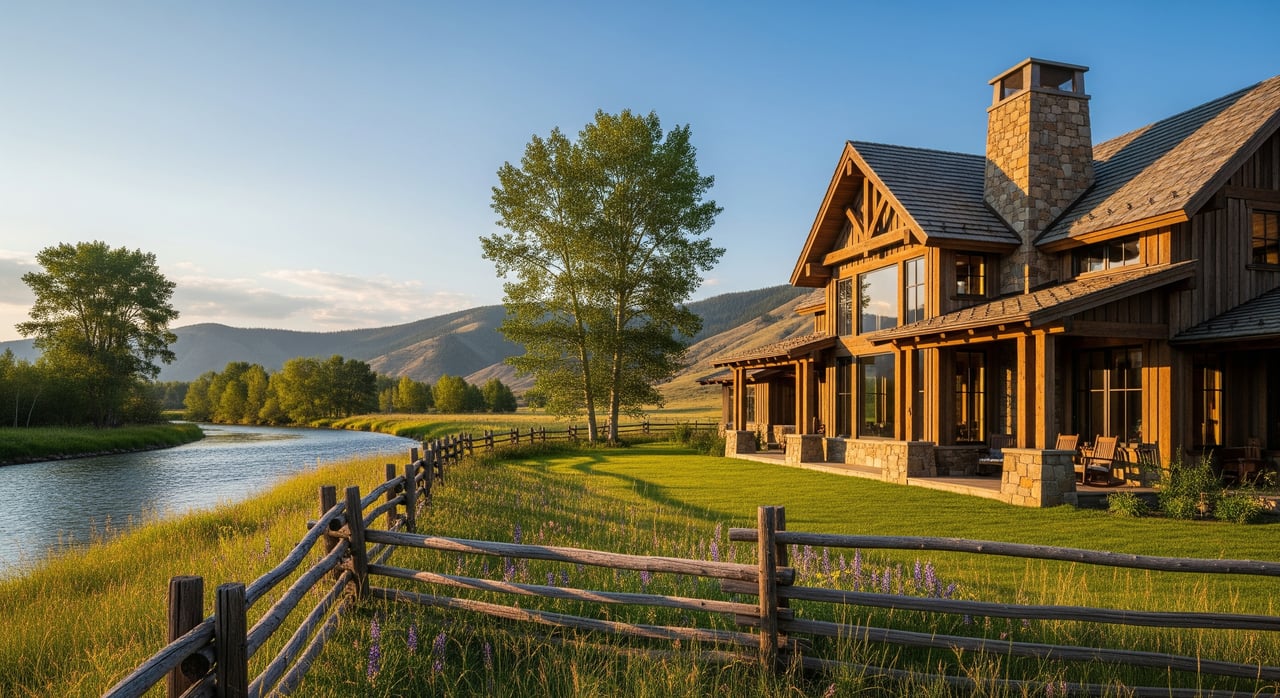
Thinking about buying acreage or a second home near Cameron in the Madison Valley? Before you picture horses in the pasture or a shop for your toys, make sure the CC&Rs match that vision. These private rules shape what you can build, how you can use the land, and even whether you can rent the property. In this guide, you’ll learn what CC&Rs are, how they work with local laws, the most common covenant topics in rural Montana, and a practical checklist to help you do smart due diligence. Let’s dive in.
What CC&Rs are
CC&Rs are recorded, private rules that run with the land and bind current and future owners in a subdivision or planned community. They are created by the developer and cover uses, appearance, maintenance, assessments, and enforcement. You agree to follow them when you buy the property.
Enforcement usually happens through a homeowners association, an architectural review committee, or owners with standing. Tools may include fines, denial of approvals, and, when authorized, liens or court action.
CC&Rs do not replace the law. County zoning, building codes, septic and well rules, and state and federal regulations still apply. If a covenant conflicts with a law, the law governs when a covenant would require something illegal.
Many CC&Rs last for decades and include a process for amendments. Early on, the developer may control approvals and board appointments. You will want to understand how long that control lasts.
Why CC&Rs matter in Cameron and the Madison Valley
The Madison Valley includes a mix of ranch parcels, acreage subdivisions, and second‑home communities. CC&Rs here often address livestock, barns and shops, private road maintenance, seasonal access, and rental policies. If you plan to keep animals, build a large outbuilding, or generate rental income, the covenants can either support or block your plans.
Common covenant themes to check
Architectural design and appearance
Many rural subdivisions include design standards. You may see rules about exterior materials, color palettes, roof pitch, window styles, and minimum square footage. Most communities require approval from an architectural review committee before you build, repaint, add a deck, or install a fence.
What to look for:
- Exact submittal requirements and whether sketches or full plans are needed
- Approval timelines, fees, and appeal steps
- Any limits on prefabricated or unconventional home types
Outbuildings and storage
Barns, shops, and accessory structures often have size, height, material, and location limits. Some CC&Rs require outbuildings to match the home’s style or to be screened from view.
What to look for:
- Number and size limits for barns, shops, and sheds
- Setbacks and height limits that affect where you can build
- Rules on temporary structures and metal buildings
Animals and agricultural uses
Covenants commonly define whether you can keep horses, livestock, or chickens, and in what numbers. They may set standards for enclosures, shelter, setbacks, and manure management. Commercial breeding or boarding is often restricted.
What to look for:
- Species and numeric limits for livestock and companion animals
- Fencing standards and pasture or turnout rules
- Nuisance provisions that could affect feeding or waste practices
Rentals and occupancy
In a valley with a mix of full‑time and part‑time owners, rental rules vary. Some CC&Rs ban nightly or weekly rentals, limit the number of leases, or require long‑term leases only. Tenants must usually follow HOA rules.
What to look for:
- Definitions of “rental” and the minimum lease length
- Registration requirements and enforcement tools
- Any owner‑occupancy requirements
Roads, access, utilities, and easements
Private roads are common. CC&Rs often describe who maintains the roads, how snow removal works, and how assessments are set. Easements for utilities or shared driveways may limit where you can build.
What to look for:
- Road maintenance responsibilities and vehicle weight restrictions
- Recorded easements that affect building locations
- Any requirement to connect to community water or sewer
Vegetation, wildfire, and environmental rules
In wildfire‑prone areas, many CC&Rs encourage or require defensible space and fuel reduction. Some limit tree cutting or vegetation removal in defined zones. You may also see rules for noxious weed control and fence maintenance.
What to look for:
- Firewise or defensible space requirements
- Noxious weed control standards
- Tree or vegetation rules on view corridors or habitat areas
Assessments, insurance, and maintenance
CC&Rs set HOA dues, special assessment procedures, late fees, and lien rights. They may require reserve funds for roads or gates and can require owners to carry property and liability insurance.
What to look for:
- How dues and special assessments are calculated
- Reserve funding and common area obligations
- Insurance requirements for owners and the association
How CC&Rs interact with county and state rules
CC&Rs are private contracts, but you still need permits and approvals from county and state agencies. Expect separate processes for building, septic, and wells. County land use rules, environmental health standards, and any wildlife or riparian protections apply to most rural properties. Plan for both tracks when you schedule design and construction.
How to read CC&Rs and what to extract
Start with these sections and pull the key points into a simple notes page:
- Definitions. Clarify terms like Lot, Dwelling, Owner, Rental, and Architectural Committee.
- Permitted uses. Confirm what residential, agricultural, home business, or commercial activity is allowed.
- Architectural review. Note application requirements, timelines, fees, and appeal rights.
- Setbacks and building limits. Capture distances, heights, and lot coverage.
- Outbuildings. Record size, number, materials, and screening rules.
- Animal provisions. List species, numbers, fencing standards, and nuisance language.
- Rental rules. Identify allowed lease types, minimum terms, and registration.
- Maintenance. Understand who maintains roads, fences, and shared systems, and how snow removal works.
- Assessments and enforcement. Track dues, fine schedules, lien rights, and enforcement steps.
- Amendments and duration. Learn how covenants change and any expiration or developer rights.
- Easements. Note any recorded easements that limit building sites or access.
- Developer control. See whether the developer retains approvals or board appointments.
Pro tip: Read definitions first. They control how everything else is interpreted.
Key questions to answer before you commit
- Does the covenant allow your intended uses, like a 40' x 60' shop or keeping multiple horses?
- Are approvals discretionary or objective? Do you have a clear path to yes?
- How fast is the review process? Are deadlines and appeals defined?
- What are annual dues, and are reserves adequate for roads and other infrastructure?
- Are there pending violations, special assessments, or planned capital projects?
- What insurance is required for owners and common areas?
Red flags that deserve extra review
- Broad, vague standards that give the architectural committee open‑ended discretion
- Low reserves or signs of large special assessments on the horizon
- Developer control continuing long after most lots are built
- Provisions that appear to conflict with county rules
- Clear bans that would block your plans, such as no animals or no rentals
Due diligence checklist for Cameron and Madison Valley buyers
Documents to obtain
- Recorded CC&Rs, all amendments, and any architectural guidelines
- HOA or road association bylaws, articles, budgets, financials, and any reserve study
- Meeting minutes for the last 12 to 24 months and current enforcement logs
- Recorded easements, the plat, and any covenant maps of restricted areas
- Prior architectural approvals for existing structures on the lot
- Any disclosure or resale certificate showing dues, suits, or special assessments
- Road maintenance agreements and the snow removal policy
- Water rights documentation, well logs if applicable, and septic permits or approvals
- Summary of HOA insurance and owner insurance requirements
Questions to ask the HOA, ARC, or seller
- Are short‑term rentals allowed? If yes, what registration or taxes apply?
- What animals are permitted and what numeric limits exist for livestock and companion animals?
- What is the process, timeline, and fee schedule to build a barn, shop, or accessory dwelling unit?
- Are there pending special assessments or planned projects like road repairs or gates?
- Who maintains access roads, and what are the typical annual costs per lot?
- What are common violations and how are they handled in practice?
- Are there any wildfire mitigation requirements or recent rule changes on defensible space?
Local offices to contact for verification
- Madison County Planning and Zoning for land use, plats, and building permits
- Madison County Sanitarian or Environmental Health for septic requirements
- Madison County offices to confirm whether roads are public or private and who maintains them
- Montana DNRC or county water records for water rights questions
- Montana Fish, Wildlife and Parks and the Department of Environmental Quality for wildlife and environmental considerations
- Your local fire district for fire mitigation guidance and hydrant or water source information
Practical tips for second‑home and absent owners
- Access and winterization. Confirm plowing policies for private roads and driveways and whether emergency services need gate codes.
- Property oversight. Ask if on‑site contacts, managers, or rental manager registration is required.
- Utilities and systems. Check rules for generators, propane storage, off‑grid systems, and septic maintenance schedules.
- Neighbor relations. Review any quiet hours, visitor parking rules, and group event limits, especially if you plan to rent.
Enforcement, amendments, and dispute resolution
Most CC&Rs include notice and cure periods, internal hearings, and fines for violations. Unpaid assessments may become liens, and extreme cases can lead to foreclosure. Some communities require mediation or arbitration before a lawsuit, and many have fee‑shifting clauses that affect who pays legal costs.
Amendments typically require a percentage of owners, such as a simple majority or two‑thirds. Major changes can require a supermajority or developer consent. If you see ambiguous language or a rule that could block a major use, consider speaking with a Montana real estate attorney who works with HOA and rural property issues.
Ready to shop confidently?
CC&Rs can protect neighborhood standards and roads, but they can also limit certain uses. When you know what to look for, you can line up the right property with fewer surprises, clearer budgets, and a smoother build or move‑in timeline.
If you want help finding Madison Valley properties that fit your vision, reach out to Jenny Rohrback for local guidance and a tailored search.
FAQs
What are CC&Rs and how do they affect rural Montana property?
- CC&Rs are recorded private rules that run with the land and set allowed uses, design standards, maintenance, and enforcement, separate from county and state regulations.
Can CC&Rs override Madison County building or septic rules?
- No. CC&Rs are private contracts; you must still meet county and state requirements. If a covenant conflicts with law, legal requirements control.
Are short‑term rentals typically allowed near Cameron?
- Policies vary by subdivision. Some ban nightly or weekly rentals, while others allow them with conditions. Always check definitions and minimum lease terms.
Can I keep horses or livestock on acreage with CC&Rs?
- Often yes, but numbers, fencing, setbacks, and manure management may be regulated. Confirm species and numeric limits before you buy.
What should I review first in a set of CC&Rs?
- Start with definitions, permitted uses, architectural review procedures, animal and outbuilding rules, and assessments and enforcement.
Who maintains private roads in rural subdivisions?
- Maintenance is usually defined in CC&Rs or separate road agreements and funded by owner assessments, which can include snow removal and repairs.