If you are thinking about buying land near Ennis Lake, it is easy to focus on the view first and the details later. In the McAllister area, that can be a costly mistake because two parcels with similar scenery can have very different build potential, access, and utility realities. This guide will help you understand what matters most so you can compare land with more confidence and move forward with a clear plan. Let’s dive in.
Why McAllister draws land buyers
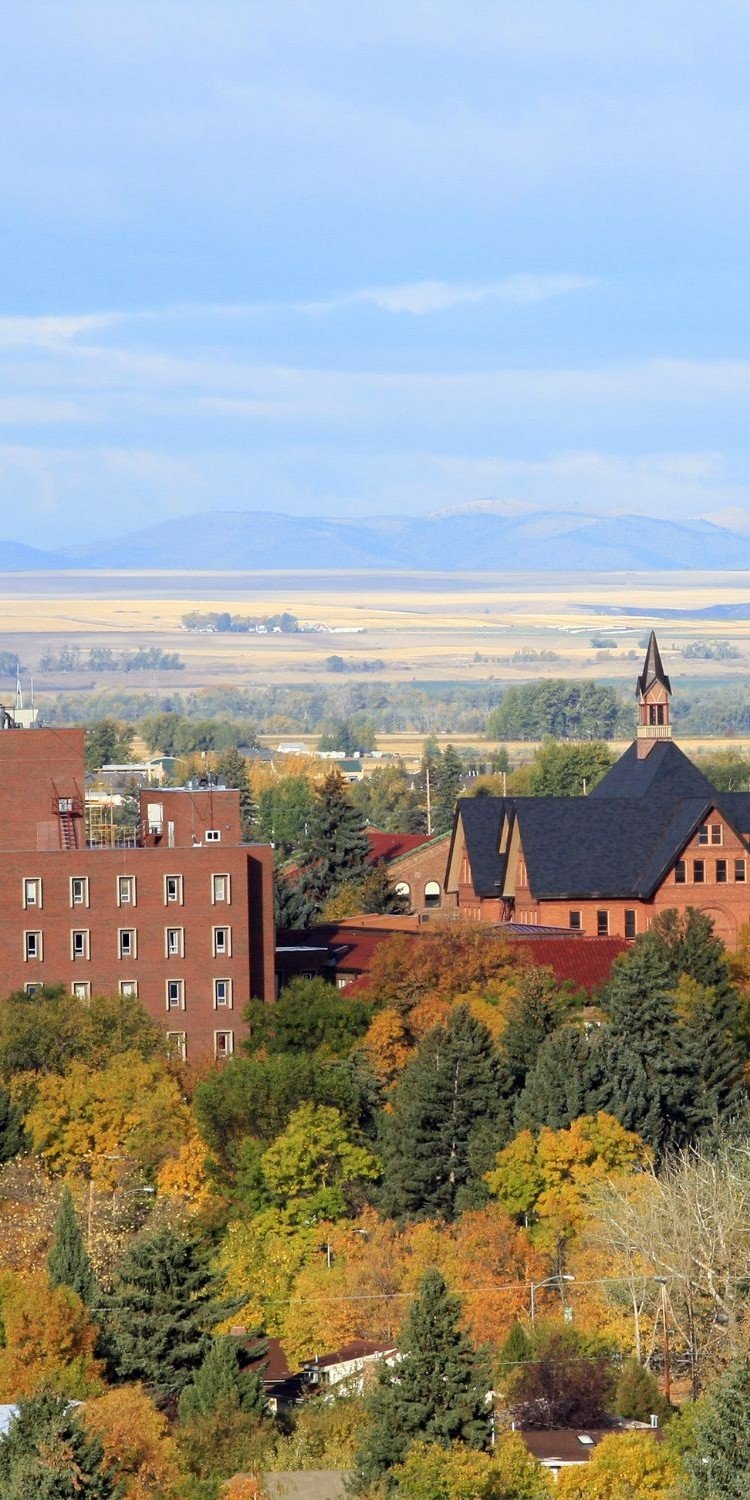
McAllister sits in the Madison River corridor near Ennis Lake, also called Ennis Reservoir, in a landscape shaped by open space, ranching, residential development, grasslands, shrublands, and broad mountain views. The area also changes quickly from valley-floor settings to more elevated and foothill parcels, which means topography can affect usability just as much as acreage.
For many buyers, the appeal is lifestyle. Montana Fish, Wildlife & Parks describes the upper Madison above Ennis Lake as a top angling destination, while the lower Madison below the lake is popular for boating and fishing. With 72 publicly owned or managed access sites along the Madison River and its reservoirs, the area has strong pull for buyers who want a recreational home base or second-home setting.
What land looks like here
The McAllister and greater Ennis-area land market covers a wide range of parcel types. Current listing snapshots in the research show land in McAllister ranging from about 1.41 acres to more than 203 acres, while nearby Ennis listings range from small in-town lots to tracts over 63 acres.
That variety matters because buyers are often shopping for very different goals. One parcel may work best as a custom homesite, another as a horse property with pasture, and another as a recreational retreat with room to spread out. Before you compare price per acre, it helps to define how you want to use the property.
Common buyer goals
- Custom homesite: Smaller acreage or lots where utility access and a straightforward building area matter most.
- Horse property or small ranch: Usable ground, fenced pasture potential, and room for outbuildings.
- Recreational basecamp: Convenient access to the river, reservoir, boating, fishing, and open-space recreation.
What drives land value most
In the McAllister area, raw acreage does not always tell the full story. Madison County subdivision rules emphasize that lot size, width, shape, and orientation should fit the location and intended use. The county may also require a specific building envelope based on topography or resource concerns.
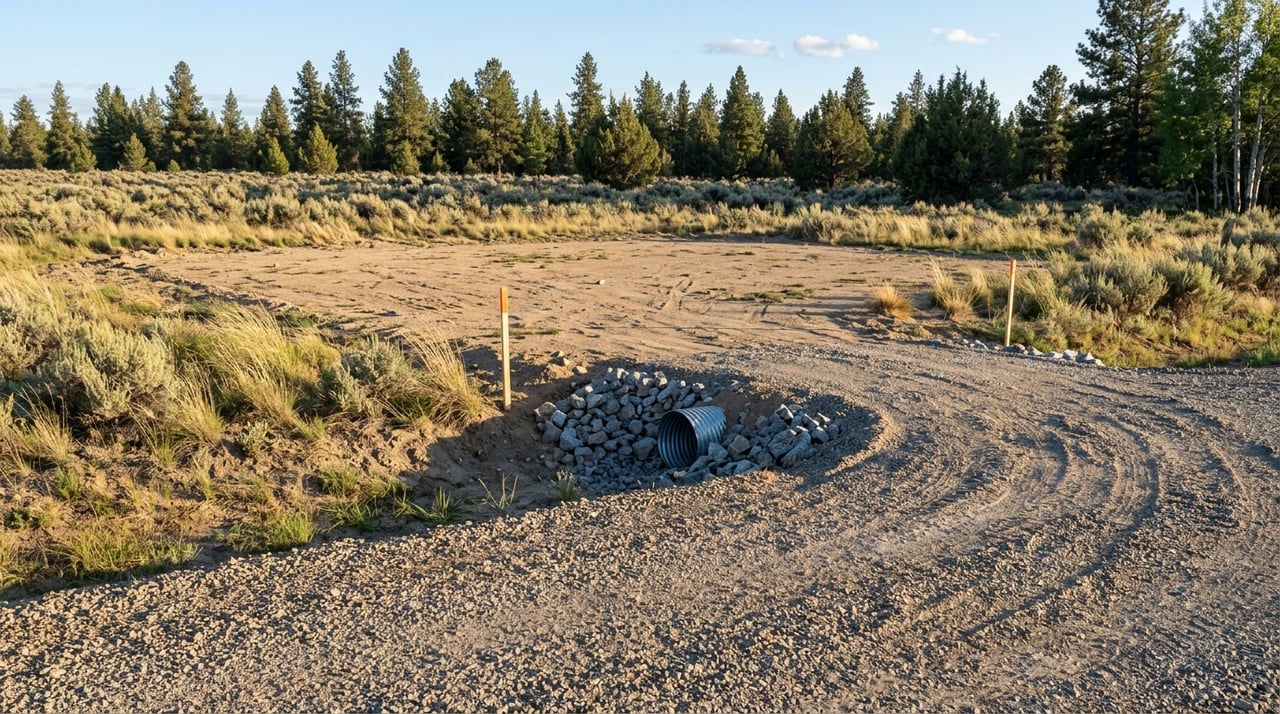
That means a parcel with a clean, dry, usable build site can be more practical than a larger tract with drainage issues, awkward shape, or terrain constraints. County regulations also stress preserving natural terrain, drainage patterns, topsoil, wildlife corridors, habitat, trees, and native vegetation, which can affect where and how improvements are placed.
Features that often matter most
- Verified legal access
- A clear, buildable envelope
- Reasonable drainage conditions
- Practical well and septic options
- Limited floodplain concerns
- Utility availability or realistic extension costs
- Usable topography for the home, driveway, and outbuildings
Understand subdivision potential early
If future lot splits are part of your thinking, ask about that before you get too far into a purchase. In Montana, a subdivision is any division that creates parcels under 160 acres, so subdivision review can become a major issue even on land that feels large.
Madison County also distinguishes between major and minor subdivisions. For you as a buyer, the key takeaway is simple: do not assume future development potential just because a parcel has enough acreage on paper. The realistic path depends on county review, access, layout, and other site conditions.
Utilities can change the whole picture
One of the biggest differences between parcels near McAllister and Ennis Lake is whether the property is tied to town services or depends on private systems. Inside the Town of Ennis, 2025 to 2026 utility rates are listed as $19.55 for water plus $1.92 per 1,000 gallons and $32.98 for sewer plus $2.72 per 1,000 gallons, for a base total of $52.53. The town also lists hook-up fees of $2,425 for water and $3,613 for sewer, and Public Works approval is required.
For rural tracts, private wells and septic systems are the norm. Montana DEQ says private well water quality is not regulated by DEQ, so owners are responsible for testing and maintenance. Madison County requires a permit for all septic systems, and systems must be installed by a county-licensed installer.
For lots under 20 acres, the county requires DEQ subdivision approval plus approved drainfield and well locations. That makes smaller rural parcels especially important to review carefully during due diligence.
Power and internet to verify
Electric service should be confirmed with NorthWestern Energy for the specific parcel. Internet service can also vary, and 3 Rivers Communications is a relevant provider to check for Ennis-area properties.
This is one reason local parcel-by-parcel guidance matters. A property with nearby service can look very different from one that needs line extensions, additional approvals, or more site work before you can build.
Water rights are separate from scenery
If a parcel includes irrigation, a spring, or a creek or ditch interest, do not assume those water uses automatically transfer with the property. The Montana Department of Natural Resources and Conservation says a recorded water right is required for most uses, and ownership of a water right must be expressly addressed in a deed or other recorded conveyance.
In practical terms, surface water can add appeal, but only documented rights tell you what actually comes with the purchase. This is an area where careful document review matters.
Access deserves close attention
Beautiful land is not enough if getting to it is complicated. Recorded legal access is one of the first things to confirm, especially on rural parcels where driveways, easements, and road arrangements may not be obvious from a listing photo.
If access touches a state highway or requires a new driveway approach, the Montana Department of Transportation uses driveway approach applications and encroachment permits. Madison County regulations also note that a road, alley, or utility right-of-way should not divide a lot in a way that reduces buildable area.
Check maps and easements early
Madison County GIS and the Montana Cadastral Mapping system are useful starting points for checking parcel lines, legal descriptions, and whether a tract is affected by easements or road reservations. That early map review can help you spot issues before they become expensive surprises.
Floodplain and build-site review matter near water
Land near the Madison River corridor and Ennis Lake can be appealing for obvious reasons, but proximity to water adds another layer of review. Madison County subdivision regulations require floodplain review when a proposed subdivision is along a stream, and DNRC may prepare a flood hazard evaluation.
The Town of Ennis also says a Floodplain Development Permit may be required if a property is within or near a floodplain. Even if a parcel has water nearby, the more important question is whether the usable building area sits outside floodplain concerns and works with setback requirements.
A practical land-buying checklist
When you compare parcels in McAllister, keep your questions grounded in use, cost, and risk. A calm, methodical review usually tells you more than a dramatic view ever will.
Questions to ask before you buy
- Is the parcel in town utility service, or will it need a private well and septic?
- Is there recorded legal access, or only a permissive driveway or easement?
- Is the likely build site outside the floodplain and clear of major setback issues?
- Do any water rights, irrigation shares, or ditch interests transfer with the deed?
- Are power, internet, and road improvements already in place?
- Would a future lot split trigger subdivision review because the tract is under 160 acres?
What strong-value parcels often share
Based on county review criteria and the current mix of active listings in the research, the strongest-value tracts in the McAllister and Ennis Lake area often share a few practical strengths. They usually have a usable build site, verified access, workable water and septic answers, and fewer floodplain or roadwork unknowns.
That does not mean every buyer needs the same type of land. It means the best parcel for you is usually the one that fits your goals and removes the biggest obstacles upfront.
If you want help comparing land near McAllister, Ennis Lake, or elsewhere in the Madison Valley, Jenny Rohrback offers local, high-touch guidance to help you evaluate acreage, access, and build potential with confidence.
FAQs
What makes land near Ennis Lake attractive to buyers?
- The McAllister and Ennis Lake area appeals to buyers who want open space, mountain views, and access to fishing, boating, and other recreation in the Madison River corridor.
What parcel sizes are common in the McAllister area?
- Current listing snapshots in the research show McAllister land ranging from about 1.41 acres to more than 203 acres, with nearby Ennis offerings ranging from small town lots to larger rural tracts.
What utilities should you check before buying McAllister land?
- You should confirm whether the parcel has access to town water and sewer or will need a private well and septic, and you should also verify electric and internet availability for the specific property.
What should you know about septic on rural land in Madison County?
- Madison County requires a permit for all septic systems, installation by a county-licensed installer, and for lots under 20 acres, DEQ subdivision approval plus approved drainfield and well locations.
Why do water rights matter when buying land near Ennis Lake?
- If a property includes irrigation, spring water, or ditch interests, you should confirm in the recorded documents whether any water rights actually transfer with the deed.
Can you split land later in Madison County?
- Maybe, but you should not assume it, because in Montana a subdivision is any division that creates parcels under 160 acres, which can trigger subdivision review and other county requirements.
How do you check access and parcel boundaries in McAllister?
- A good starting point is to review Madison County GIS and Montana Cadastral Mapping, then confirm recorded legal access, easements, and any right-of-way issues tied to the parcel.
Why is floodplain review important for land near the Madison River corridor?
- Because parcels near streams or low-lying areas may require floodplain review or permits, and the real question is whether the actual build site is outside those constraints.