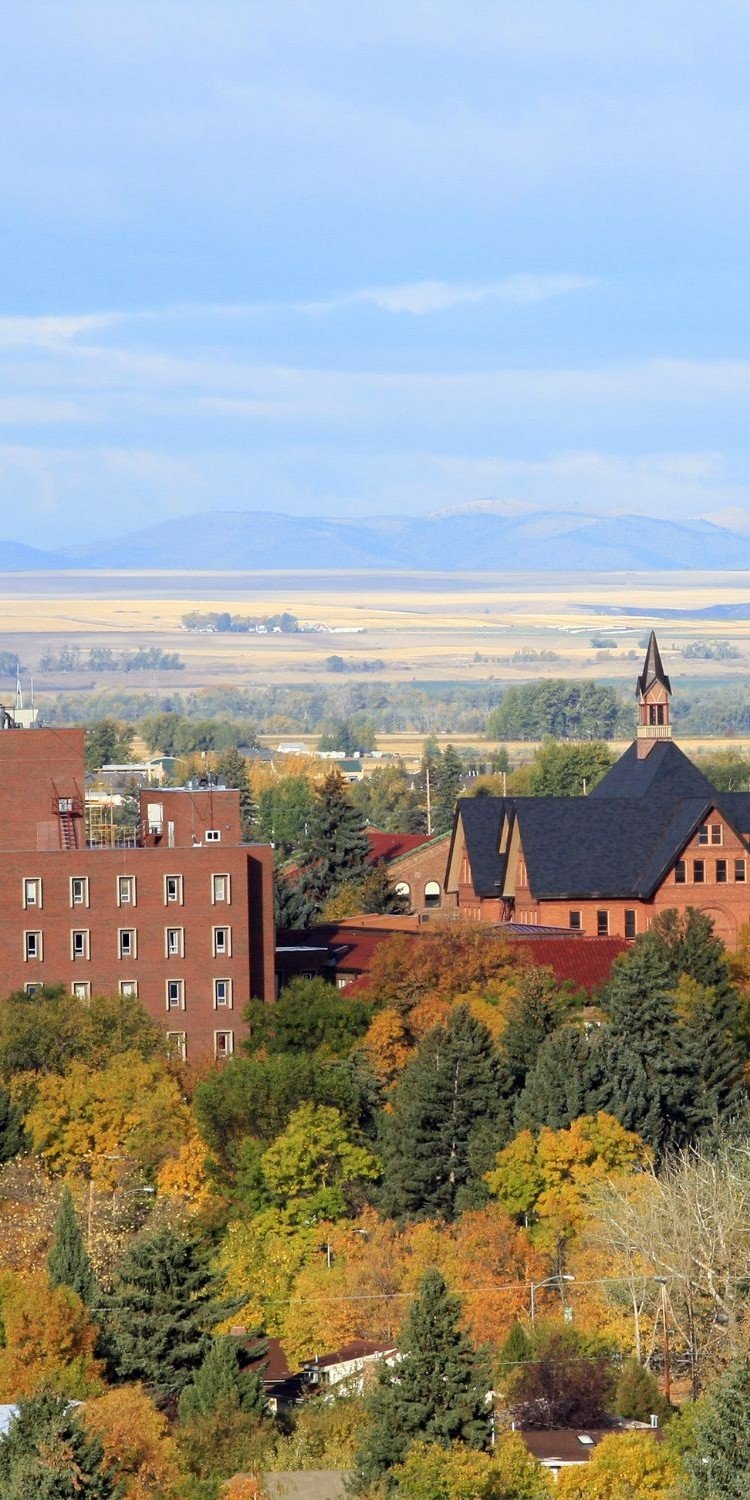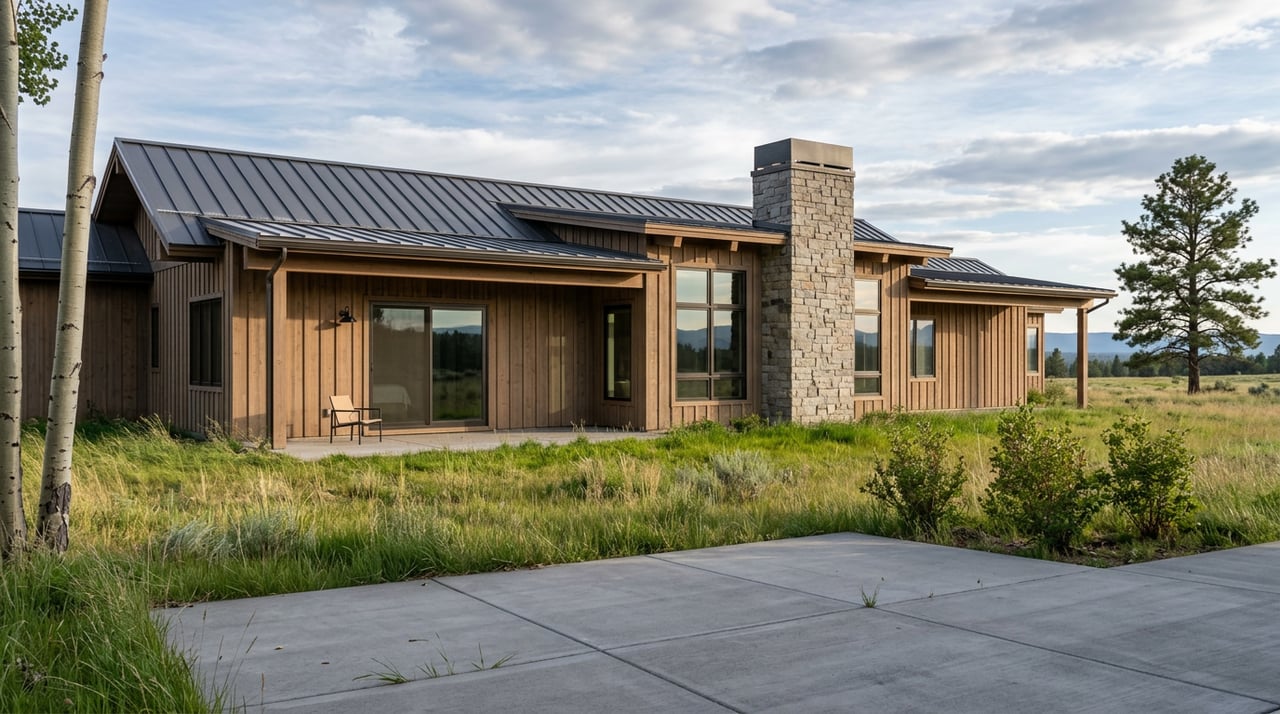
Dreaming about a one-of-a-kind home with Ennis Lake views and Madison Valley sunsets? You’re not alone. Building near McAllister can be deeply rewarding, but success comes from smart due diligence and a realistic plan. In this guide, you’ll learn the key checks for lots, permits and utilities, how seasonality shapes your timeline, and practical steps to move from vision to move-in with confidence. Let’s dive in.
Why build near Ennis Lake
Location and access
You’re looking at a scenic, recreation-forward pocket of northeastern Madison County near McAllister, just north of Ennis. The nearest major services are in Ennis, and you can reach Bozeman Yellowstone International Airport in roughly 50 to 60 miles by road. For a quick area primer, see the local overview of McAllister, Montana.
Recreation and neighborhood context
Ennis Lake is a reservoir on the Madison River that draws boaters and campers throughout the warm months. That seasonal draw can increase traffic and bring extra attention to shoreline uses. For context on lake operations and regional power infrastructure, see NorthWestern Energy’s Madison hydropower page.
Market realities
Madison County’s 2023 Housing Needs Assessment highlights pressure on housing supply and affordability. That has a ripple effect on custom builds, including competition for experienced trades and scheduling. Review the county housing assessment to calibrate expectations for labor availability.
Choose the right lot
Check floodplain status
Before you fall in love with a site, find out if any portion lies in a mapped floodplain. Madison County relies on FEMA FIRMs and the state’s “best available data,” which can include draft DNRC maps. If your lot is in the 1 percent annual chance floodplain, you may face elevation, engineering, or floodproofing requirements that affect costs. Start with the DNRC floodplain mapping resources, then ask the county floodplain administrator whether an elevation certificate, engineered fill, or a Letter of Map Amendment is appropriate. The DNRC also offers a helpful landowner floodplain page.
Verify septic and well feasibility
Most sites outside Ennis town limits rely on private septic and wells. Madison County requires a septic permit and installation by a county-licensed installer. Many lots need an 8-foot test hole and soils profile; parcels under 20 acres created through subdivision often need prior DEQ approvals and plans. Do not assume an old permit transfers. Review the county’s full process on Septic System Information, and budget time for testing and design.
For wells, Montana allows small domestic groundwater development under a permit exception, typically up to 35 gallons per minute or 10 acre-feet per year, with required filing of notices and well logs. Higher-capacity uses may need a DNRC permit. Confirm any existing well’s yield and water quality and check records before you buy. See the DNRC’s guidance on water-right permit exceptions.
Understand shoreline and access rights
Shoreline ownership, dock use, and marina access depend on what is recorded on title. Some properties have a deeded path or association access to a ramp; others do not. Never assume “lakefront” means private dock rights. Ask for the title commitment and verify every easement and HOA agreement before closing.
Review covenants and zoning
Many McAllister-area properties sit within small subdivisions that may have CC&Rs or design rules, while others have few restrictions. Check recorded CC&Rs at the Madison County Recorder, ask whether an HOA is active, and confirm any county zoning or subdivision approvals that applied when the lot was created. Do not rely on ad language alone. Read the recorded documents.
Evaluate topography, exposure and views
Great views come with trade-offs. You’ll want to balance mountain and water views with protection from valley winds and winter exposure. Site-specific microclimates can affect foundation choices, garage placement, and solar potential. A topographic survey and an on-site solar and wind assessment are smart early moves. Local climate normals for Ennis point to a cold winter season and a late last-frost date that shortens exterior construction windows. See the Ennis climate profile for planning.
Plan for utilities and site infrastructure
Power service
NorthWestern Energy serves the Ennis and Madison Valley area. On raw land, confirm distance to distribution lines and whether you’ll need a transformer or a line extension. Extensions can add significant cost, so get written estimates early. Learn more about the local provider via NorthWestern Energy’s Madison page.
Heating fuel choices
Natural gas lines are uncommon in this rural valley. Many homes use propane or electric heat, sometimes with backup generators. Talk with a local propane supplier about tank placement, lease versus owner options, and refill programs.
Water and wastewater
Most sites outside Ennis municipal limits use private wells and septic. Budget for soils testing, septic design, well drilling and yield testing, plus county permit fees and a licensed installer. Build the septic permit steps into your timeline. Review details on the county’s Septic System Information page.
Broadband and cellular
Connectivity is highly parcel-specific. Some addresses near town may have cable or fiber, while many rural sites rely on fixed wireless, satellite, or cellular-based internet. Verify serviceability at the exact address and ask providers for realistic upload and download speeds in writing.
Roads, driveway and snow
Access matters in every season. If you’re on a private road, read the road maintenance agreement to see who must plow and pay for upkeep. New driveways, culverts, and grading can add tens of thousands of dollars. You may also need a county right-of-way permit for driveway access to a public road. Check the county’s permitting packet for right-of-way details in the Construction and Demolition application.
Timeline, seasonality and budget
Local builder capacity
Skilled custom builders work in the Madison Valley, yet the market is small and schedules fill quickly. Plan to interview several firms, confirm licensing and insurance, and ask for local references with lake-area experience. In a tight labor market, early selection and clear scopes help you secure a spot on the calendar.
Weather and work windows
Montana’s mountain-valley climate shortens the exterior construction season. Heavy snow and frozen ground can limit sitework from late fall through early spring. Many projects break ground in late spring, focus on sitework and framing in summer, then move to interior finishes once the shell is weather-tight. The Ennis climate profile can help you time key phases.
Typical build timeline
While every custom home is unique, these ranges can help set expectations:
- Pre-construction due diligence, survey, soils, septic design, well test, engineering, and financing: about 1 to 4 months.
- Permitting and utility orders, including septic permits and right-of-way approvals: about 1 to 3 months, often overlapping with design.
- Sitework and foundation: about 1 to 2 months, longer if rock or frost conditions are present.
- Framing, roofing, and rough-ins: about 2 to 4 months.
- Finish trades and final inspections: about 2 to 4 months.
A realistic move-in target for a true custom build in rural Montana is 9 to 18 months from permit-ready to finish. If you include early due diligence and design, plan for 12 to 24 months. For a broader perspective on typical durations, see this overview of how long a new house takes to build.
Common delays and contingencies
Factors that often extend timelines here include engineered septic systems, well yield or water quality issues, floodplain elevation work, long electrical line extensions, weather windows for exterior work, and limited specialty subcontractors. Build in a time contingency of 3 to 6 months and a budget contingency of 10 to 20 percent for site unknowns. Your future self will thank you.
Buying existing vs building new: quick checklist
- Title and recorded documents. Order a title commitment and review all CC&Rs, utility and road easements, and any recorded shoreline or marina access. Confirm, do not assume.
- Septic and well feasibility. Sponsor soils testing and a well-yield test. Confirm whether you need a conventional or alternative septic design and get the county’s fee and process in writing.
- Floodplain and elevation. Get a floodplain determination and, if needed, an elevation certificate. If the lot is in a mapped floodway or 1 percent floodplain, get builder and engineer input on costs.
- Utilities and quotes. Ask NorthWestern Energy for written electrical service estimates. Get propane service options and confirm broadband availability with providers.
- Contractor references and schedule. Interview at least three local builders and request a draft schedule plus references. Ask about lead times for windows, doors, cabinets, and specialty finishes.
Red flags that may justify walking away or renegotiating:
- No recorded access easement to a public road.
- Lot lies within a mapped floodway or requires a floodway variance.
- Soils indicate no feasible septic location or very high installation costs.
- Electric or broadband extensions exceed budget thresholds.
- HOA design controls that do not fit your plan or lack a clear enforcement history.
Next steps for McAllister buyers
Define your goals and budget. Clarify size, style, and must-have features, plus your comfort with timeline and carrying costs.
Engage a local agent early. A knowledgeable, on-the-ground advisor can help you compare lots, surface red flags quickly, and structure offers with smart contingencies.
Order a floodplain check. Use DNRC and FEMA resources and speak with the county floodplain administrator about any elevation or engineering needs.
Schedule soils and well work. Follow the county sanitarian’s instructions for test pits and engage an experienced local well driller for yield and water quality testing.
Request utility estimates. Ask NorthWestern Energy for service and any line-extension quotes. Confirm propane and telecom options in writing.
Interview builders. Verify licensing, insurance, and references. Discuss site logistics, winter conditions, and realistic start dates.
Build a seasonal calendar. Target sitework for the warmer months. Plan interior work once the shell is weather-tight.
Write offers with contingencies. If tests or permits cannot be completed before closing, include appropriate contingencies to protect your investment.
Ready to explore lots around Ennis Lake with a clear plan? Reach out to Jenny Rohrback for local guidance, vetted vendor connections, and a step-by-step path from vision to keys in hand.
FAQs
What permits are required to build a custom home near Ennis Lake in McAllister?
- Expect a county septic permit, plus DNRC filings for a domestic well under the groundwater permit exception if you drill one. If any part of your site is in a mapped floodplain, you may need floodplain approvals and an elevation certificate. Driveway tie-ins to public roads may require a county right-of-way permit. Check the county’s septic guidance and DNRC resources for specifics.
How long does a custom home typically take in the Madison Valley climate?
- Plan for about 9 to 18 months from permit-ready to completion, and 12 to 24 months including early due diligence and design. Weather limits exterior work to warmer months, so timing matters.
How do I confirm lake access or dock rights when buying near Ennis Lake?
- Review the title commitment, deed, recorded easements, and any HOA documents. Do not assume lakefront equals dock rights. Your agent and title company can help verify recorded access.
What utility costs should I expect on a raw McAllister-area lot?
- Costs vary by parcel. Get a written electrical service estimate from NorthWestern Energy, confirm propane options, and budget for well drilling, septic design and installation, and county permit fees. Ask providers to confirm availability and realistic timelines in writing.
Is satellite or fixed-wireless internet reliable enough for remote work near Ennis Lake?
- It depends on the exact address. Many rural sites rely on satellite or fixed wireless. Verify serviceability, expected speeds, and data policies with providers before you buy, and treat published maps as estimates until confirmed.