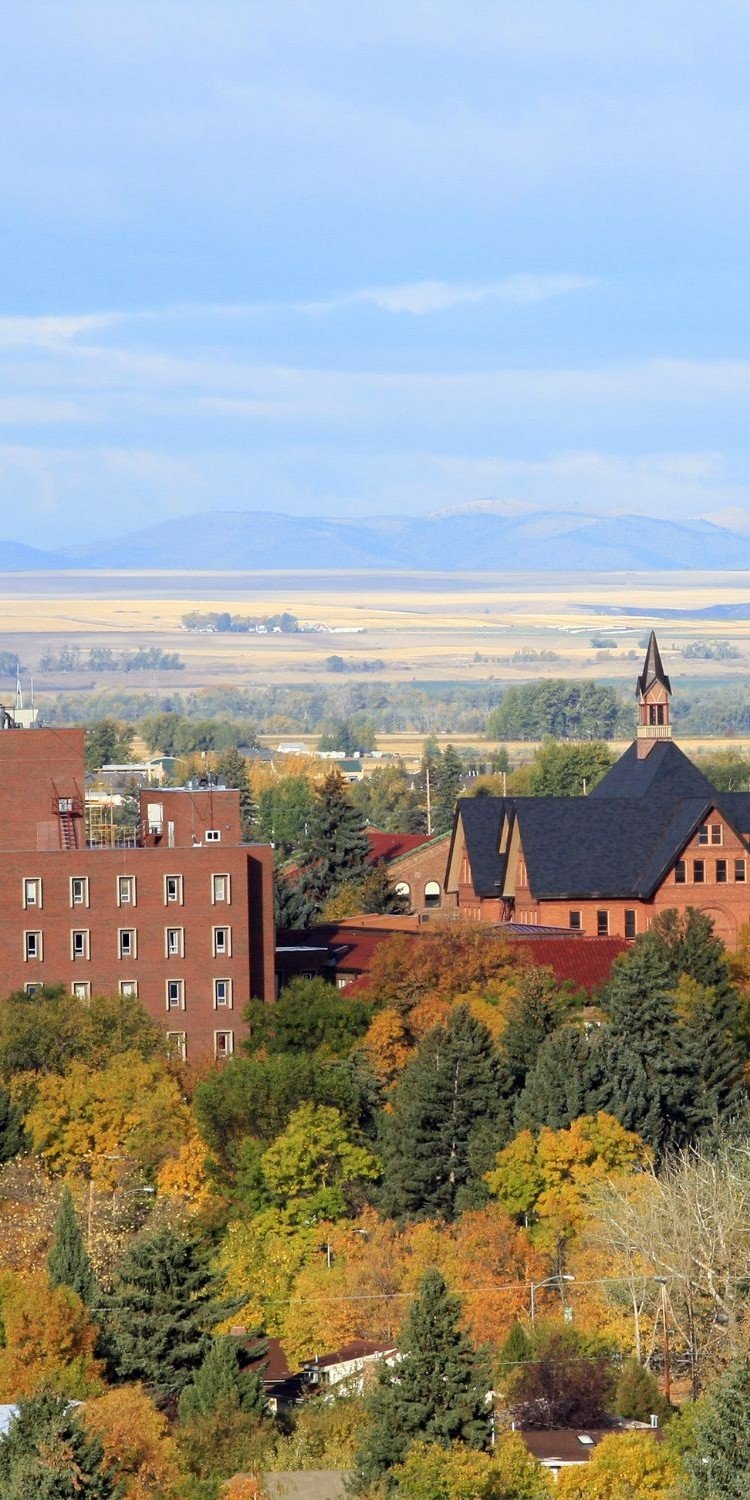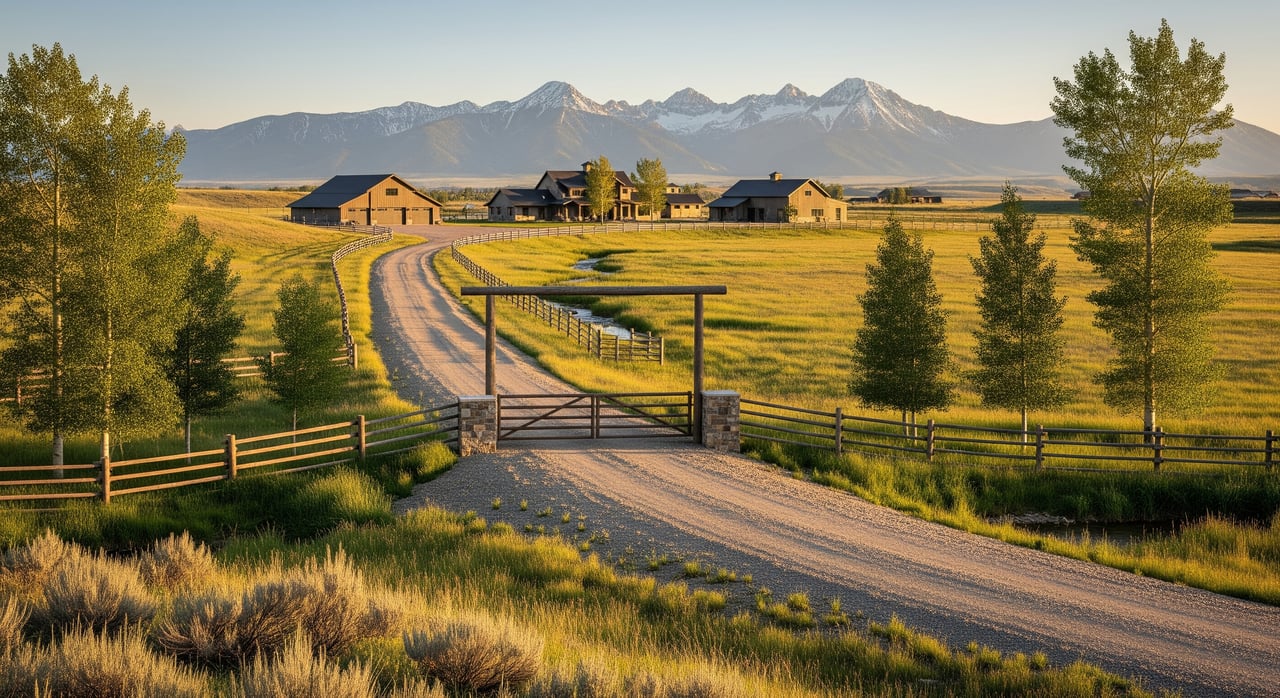
Love the views near Cameron but wondering what winter travel or emergency access will really look like on your future acreage? In the Madison Valley, the road to your property can shape everything from financing to daily life. You deserve clarity before you commit. This guide breaks down access types, what they mean for ownership and resale, and the steps to verify access for land and ranch tracts around Cameron and Ennis. Let’s dive in.
Access types in the Madison Valley
County maintained roads
County roads are part of the Madison County system and are maintained by the Road and Bridge Department. Grading, gravel, snow removal, signage, and drainage are handled with public funds. These routes typically offer reliable year-round access. Properties on county roads tend to face fewer title or financing hurdles tied to access.
State highways and MDT roads
State routes fall under the Montana Department of Transportation. These are usually the most reliable and well maintained. Utility and emergency access are straightforward. For full-time living or heavier traffic needs, this is often the preferred option.
Private roads
Private roads run across private land and are maintained by owners, a road group, or an HOA. Responsibilities are defined by a recorded road maintenance agreement when one exists. Costs like grading, gravel, ditching, culverts, and snowplowing are shared as the agreement states. Private roads can be gated and are not required to allow public access.
Recorded easements
An easement is a recorded right to cross another property for ingress and egress. It should spell out who can use it, where it is, and who maintains it. Clear, recorded easements are commonly acceptable to lenders and title companies. If the document is silent on maintenance or vehicle types, it can lead to disputes.
Federal and seasonal routes
You may see routes across US Forest Service or BLM land, or unimproved tracks that open and close by season. These can be great for recreation access. For residential use, they may not count as reliable legal access year round. Seasonal closures or weather conditions can limit use.
How access affects ownership and resale
Maintenance and recurring costs
- County and state roads are funded through public budgets, though service levels can vary with seasons and funding.
- Private roads and easements require owners and users to pay for ongoing work. Ask for maintenance agreements, past invoices, and contractor contacts to estimate your share.
Emergency services and 911
- Fire and EMS want reliable driveways and roads to serve a property quickly.
- Some counties require recognized access for 911 addressing. Without it, response times and insurance options can be affected.
- USPS delivery patterns often follow public roads. Private roads may require roadside pickup.
Title, financing, and insurance
- Physical access is not enough. Lenders and title companies usually require documented legal access.
- If access depends on an unrecorded or disputed route, financing can be difficult. You may need curative actions or endorsements.
Gates, livestock, and control of access
- Private roads and some easements allow gates and locks, depending on the recorded terms.
- If ranch use is planned, confirm rights to install and maintain gates or cattle guards. Make sure the easement allows the types of vehicles you plan to use.
Seasonal passability
- Snow, spring mud, and washouts can limit travel on unmaintained routes. You may need high-clearance or 4WD vehicles at times.
- Match your intended use to the road’s winter reality. Full-time living usually requires the most reliable access.
Resale and value
- Parcels with public, all-season access attract a wider buyer pool and conventional financing.
- Properties that rely on private or disputed access can take longer to sell and may price accordingly.
Due diligence checklist for Cameron buyers
Documents to request early
- Current and prior deeds for the property and adjacent parcels
- Title commitment and all recorded easement documents
- Plat maps and any subdivision covenants
- County GIS or assessor map that shows road classification
- Road and Bridge records on maintenance history or acceptance status
- Any road maintenance agreements, HOA bylaws, and recent budgets or minutes
- A survey that locates the road or easement on the ground and identifies encroachments
Who to contact in Madison County
- Road and Bridge to confirm whether a road is public and maintained
- Clerk and Recorder for recorded easements, plats, and agreements
- Assessor or GIS for parcel and road layers
- Local fire district and EMS for access and response considerations
- A title company and a real estate attorney for document review and curative strategies
- A licensed surveyor to locate and mark the easement or right-of-way
- Neighboring owners or road association reps for practical maintenance history
Smart questions for the seller
- Is access via a county or state road, a recorded easement, or a private road?
- Can you share the road maintenance agreement and recent invoices?
- Who handles snow removal, grading, gravel, culverts, and gate upkeep?
- Are there any disputes or pending claims related to the road or easements?
- Has the county declined road acceptance for maintenance?
- Do you have 911 addressing and regular mail delivery? Any known limitations?
- Are there gates, cattle guards, or livestock fences on the route? Who maintains them?
Red flags to note
- No recorded legal access even though a two-track exists
- Vague easement language on who can use the road and who maintains it
- Overlapping or conflicting recorded easements
- Active disputes among owners regarding access or costs
- A long private road with no maintenance association or plan
- Road crossing multiple ownerships without a clear cost-sharing method
Contract and closing strategies
- Make the offer contingent on a title commitment showing legal access
- Require copies of recorded easements and maintenance agreements
- Consider a recent survey contingency to confirm location and width of the access
- Ask the seller to cure access defects before closing if possible
- For added protection, discuss access endorsements with your title company
Choose access to fit your goals
Ranch-tract buyers
If you will move equipment and livestock, prioritize durable year-round access. Look for a county or state route, or a private road with a proven maintenance record. Make sure recorded language allows ranch vehicles, gates, and cattle guards.
Seasonal or recreational buyers
If you plan to visit in fair weather, a private road or seasonal route might be acceptable. Verify typical closures and mud season realities. Ask emergency services how access could affect response.
Full-time residents
Aim for documented legal access to a public road or a perpetual recorded easement with clear maintenance terms. Talk with your lender early to confirm what they will require.
Remote and off-grid buyers
Expect to be hands-on with maintenance and planning. Budget for grading, gravel, and winter equipment. Confirm practical EMS reach and consider alternate vehicles for tough seasons.
What to look for in easement language
- The parties who benefit and whether the easement specifically benefits your parcel
- The legal description, width, and location on a survey
- Allowed uses like vehicles, utility installation, and farm equipment
- Defined maintenance obligations and the cost-sharing formula
- Rights to gate, fence, or restrict access, and how keys or codes are shared
- Any dispute resolution steps and how new users may be added
Local tips for Madison Valley acreage
- Reliable public access lowers uncertainty for daily living, financing, and resale.
- Private roads are workable when agreements are clear and budgets are funded.
- Before you sign, collect the documents, call the county offices, speak with the road group or neighbors, and review everything with a title company and, if needed, an attorney.
If you want a steady hand as you compare parcels near Cameron or Ennis, you can lean on local experience. With more than 160 closed transactions and about 60 million dollars in sales across land, ranch tracts, and mountain homes, I help you verify access and align it with your goals. Reach out to Jenny Rohrback for tailored guidance on roads, easements, and the right fit for your acreage.
FAQs
What counts as legal access for rural property near Cameron?
- Lenders and title companies usually require documented legal access via a public road or a recorded easement. A visible driveway alone is not enough.
Who pays for private road maintenance in Madison County?
- Users typically share costs according to the road maintenance agreement. If no agreement exists, costs can be uncertain and should be clarified before you buy.
Are federal or seasonal roads enough for year-round homes in the Madison Valley?
- Often not. Federal or seasonal routes may close for weather or wildlife and may not qualify as reliable, permanent access for residential use.
How can I confirm if a road is county maintained near Ennis and Cameron?
- Contact Madison County Road and Bridge and review county GIS or assessor maps. Ask for current maintenance listings and any acceptance history.
Can an easement be gated on a ranch parcel in Montana?
- Sometimes yes, if the recorded easement allows it. The document should address gates, locks, and how access is provided to all parties with rights.